by Crystal Caudill | Nov 18, 2025 | Author Interviews
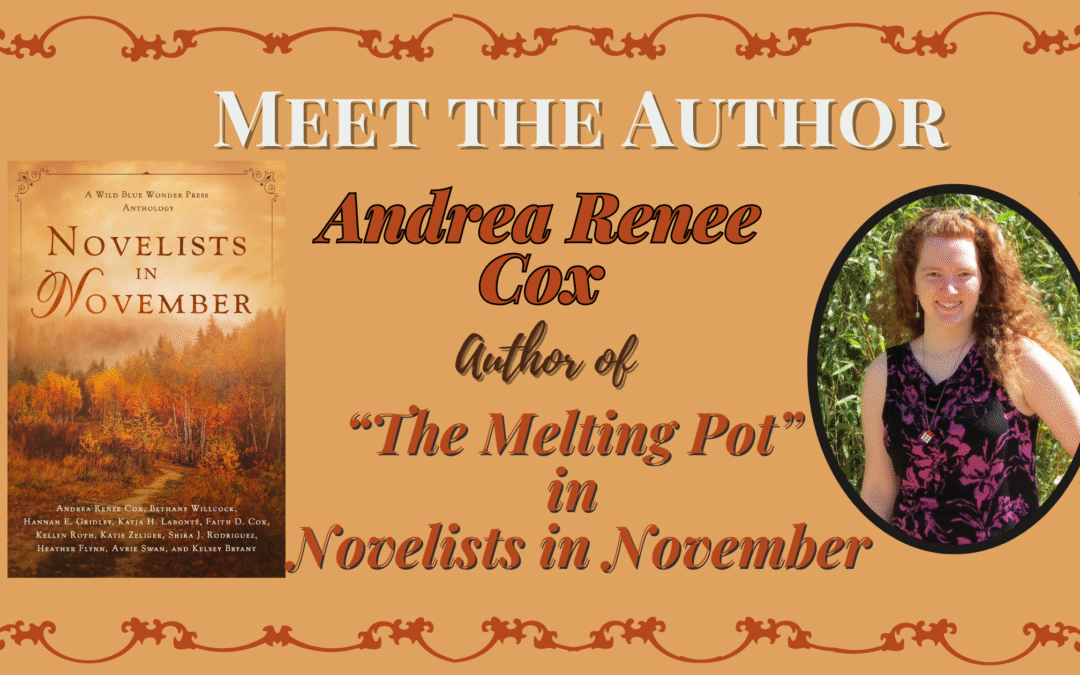
I have had the blessing of having Andrea edit each of the books in my newest series, The Art of Love and Danger. We’re celebrating the one-year release of her novella collection, Novelists in November, on November 19th. Andrea is generously giving away one print copy of Novelists in November to a U.S. resident. You can find all the information at the end of this post. If you’re in need of an editor, I recommend checking out Andrea at her website below. Before we dive into the interview, let me give you the basic introduction!

Texan author Andrea Renee Cox is a born-again child of God who enjoys writing stories that inspire, copyediting fiction manuscripts, tutoring middle school students, and going on road trips with her family. Whether she’s working on historical, contemporary, women’s fiction, romance, or romantic tragedy, she uses her skills in research and writing techniques—as well as guidance from God—to produce the best story of her ability every time. Her books may be found on her website andreareneecox.com, and readers are welcome to follow her blog and subscribe to her newsletter for the latest updates in her journey.
You can connect with her through: Website | Newsletter | X | Pinterest | GoodReads | BookBub | Amazon
Now for the fun stuff! I have to admit I am partial to my Fast Five. 🙂 So settle in as I hit Andrea with rapid-fire.

CC: Rain or snow?
Andrea: Tough choice! Right now, it’s autumn, so I’ll go with rain. The sound and smell of it have long been favorites of mine. I love a good rainstorm in autumn when the air conditioning is off and the door is open (I have an awning over my porch that usually keeps the rain from coming in, unless the wind blows from the north). That is the perfect writing conditions for me, to have that fresh rainy smell and the pitter-patter on the roof while I’m penning the stories God places in my heart.
CC: Makeup or no makeup?
Andrea: No makeup. I love embracing the face God gave me.
CC: Personal maid or personal chef?
Andrea: I hope that personal chef works well with my food allergies!
CC: Arrive early, just on time, or late?
Andrea: Definitely early. It might seem like a little thing, but it shows how much I care about the other person’s time.
CC: Food fight or water balloon fight?
Andrea: Water balloon. I had lots of fun with those as a kid! Plus I live in north Texas, where summers are HOT. Water balloons are an excellent way to cool off for a while.
That kind of rain sounds amazing. I don’t often get to enjoy it on that level.
What kind of stories are your favorite to write?
Andrea: Emotional ones. I’ve always been an emotional consumer of movies and books and music, and that carried over into my writing. My very first screenplay, which would need a complete overhaul before I let it loose on the world, had me in tears at 16… and my most recently finished full-length manuscript had me weeping buckets by the end. It’s a romantic tragedy, so I was fully anticipating that outcome. So happy it happened! Now I have the challenge of revising and shaping up the stories in the hopes that my readers will also cry uncontrollably through the climax and finale of that story.
CC: Oh dear, maybe you should give tissues out with your book!!
Do you read fiction while you are writing your own stories?
Andrea: Absolutely! I’ve been reading fiction since before I can remember, and I can’t imagine stopping for any lengthy period of time. I generally try to avoid books that are in the same genre as my current work-in-progress (WIP), though. For example, I’m currently writing a contemporary beach read, so I’m reading a romantic suspense.
CC: That sounds like a good practice! My goal is to read more next year.
What is your favorite part about writing? Your least?
Andrea: My favorite part of writing is the creativity. God has given me a gift for story, and I love exploring the various facets of it. Each story brings its own energy and themes and characters, and it’s my job to discover how those elements (and more!) fit together to become a story worth telling.
My least favorite part of writing is receiving critique. It’s not in my nature to take negative things well, so I have to work extra hard at this aspect of writing. One thing I try to keep in the forefront of my mind when reading through critique is that the feedback is intended to improve the story in some fashion. That doesn’t mean I’m never going to cry over the negative feedback; I most certainly will! Emotional consumer of media, remember? But it makes me cherish even more the positive feedback and the polished story once it’s completed.
CC: It’s always hard to receive critiques, but it does help to make a story all the better. I love how this has shaped you as an editor to be so encouraging as your edit.
Do you have a general writing process you follow or does it change all the time?
Andrea: My process has shifted wildly over the years, and each story seems to demand its very own process.
My current WIP (the beachy novel) surprised me. I actually worked up a chapter-by-chapter outline with notes on the goal for each chapter beneath the blurb of what’s supposed to happen in it. That outline has been incredibly helpful in churning out the pages of this first draft because it’s kept me focused and creative all at once. Back when I was a pantser, I thought outlining would rob me of creativity. Just this year, I realized why I’ve actually been thriving with outlines on the last several projects. I grew up on them from umbrella pages in second grade to book reports in middle school and research papers in high school. Outlines are now something I embrace as part of my process, and my creativity flourishes because of them.
Helpful tip: Outlines can be adjusted if a bunny trail leads to a whole new plot. Just remember to go back to make sure the beginning (or however much you’ve already written before the bunny trail adjustment) still fits or if it needs tweaking.
CC: I love bunny trails, but boy, do they add to the editing.
How have you seen Good in your writing journey?
Andrea: There are not enough words to express all the ways God’s been working in my writing journey!
One time, I lost an entire tote bag full of research for a particular project. After scurrying about and searching through tears everywhere I could think, I stopped and gave it to God. Not only did I pray about it but I also wrote out that prayer and hung it on my bedroom wall. I wanted to be able to pause and meditate on the prayer and keep giving that project to God. The research was so crucial, and I couldn’t move forward on the project without it. God had better ideas than my pausing to meditate and pray over it again and again. Within ten minutes of my hanging that prayer on my wall and giving the situation to God, He whispered into my soul exactly where I could find my research–in the one place I hadn’t thought to look, of course! That prayer and the added answer still hangs on my wall above my light switch as a reminder that God cares about the details–all the details–of my career and life. Any time I’m struggling, I can reread that prayer and answer and see the miracles God has done for me.
There are so many moments like that throughout my writing journey so far. Every time, I find myself in awe of God all over again. He’s truly amazing.
CC: That is so beautiful. I really love seeing how God works in others’ lives.
Why do you write Christian Fiction?
Andrea: I write Christian fiction because God called me to it. “Trust and Obey” is one of my favorite hymns for a reason, and that phrase has become a mantra to me, something I use to remind myself why I do what I do, whether that’s in writing or in life. With all my heart, I want to trust and obey my Heavenly Father. I want to be found in His will each and every day of my life, and my writing is a part of that. It’s such a beautifully exquisite gift He’s given me, to be tasked with writing stories that honor Him and entertain readers at the same time. I cherish even the difficult moments of this journey because it is all for His glory.
CC: Amen and Amen.
Do you have any advice for those who want to write their own stories?
Andrea: Lots! Way too much to list it all here, but I’ll give you my top three tips.
1. Be as historically accurate as you can.
If dates, names, lineages, events, etc. can be proven, stick with them! Work your story’s plot around the history–do not rework history to fit your plot. History was there first; let’s respect that. Why am I such a stickler for this? One, because truth matters. Two, because from everything I hear from readers (in person, in online reader/writer groups, and on Goodreads [in groups and in plenty of reviews]), historical accuracy is a huge pet peeve for a LOT of readers these days. Spare yourself some one-star rants and just do the job accurately in the first place.
2. Pray your way through it.
God gave you this gift of writing. He can certainly help you through any sticky spots that come up along the way.
3. Study the craft of writing before you publish.
There are a ton of books out there that make their authors look like amateurs because they didn’t spend the time to study the craft that’s been established for hundreds of years before they hit Publish and sent their books to readers. Please don’t be one of those people. Study writing craft books, study traditionally published novels (in your own genre as well as others), and study movies and TV shows. So much can be learned from those who’ve walked this writerly journey before us. If we ignore that, we miss out on a plethora of resources that can help make our stories better.
If you have any questions about writing and would like some free tips, send me a message through the Contact page on my website: https://andreareneecox.com/contact
CC: Fantastic advice!
If someone has never read your books before, where should they start?
Springtime in Surrey (my story: “The Cottage on the Hill”) and Novelists in November (my story: “Melting-Pot Thanksgiving”) are both excellent places to begin.
“The Cottage on the Hill” features a former ballerina who cries into her tea every afternoon and a sheep farmer neighbor who wonders why… and what he can do to cheer her up.
“Melting-Pot Thanksgiving” features an imperfect daughter tasked with creating the perfect Thanksgiving while balancing a tight writing deadline and helping her foster kids through difficult life events.
Helpful tip: You might want to have tissues close at hand for both of these stories. Cottage is a sweet romance, and MPT is women’s fiction. But I write emotional. My writing friends (who get little snippets of my writing while I’m drafting) often joke that I should sell my books with an included package of tissues. I’m just waiting on that tissue sponsorship…
Second helpful tip: Don’t let helpful tip #1 scare you off. My stories are full of heart and hope and the struggle through hard moments. Naturally, I highly recommend them, but readers of the books have too. Check out some reviews on Goodreads or Amazon to see what your fellow readers have been saying about them.
CC: Pass the tissues please!
Now I’m excited to talk about Novelists in November.
Purchase your copy at Amazon
CC: What will fans of Novelists in November love about your story and characters?
Andrea: There are so many things to love about “Melting-Pot Thanksgiving” (in Novelists in November). Some subgenres of MPT include foster family, generational, holiday, dysfunctional family, sibling relationships, best friends, found family, cultural (including cultural foods!), books about books, writers/novelists…
Personally, I find a new favorite thing about the story every time I read it. Don’t you just love when stories sink deeper and deeper into your bones during each reread? One thing I’ve especially cherished is how Sarah, the leading lady, supports her foster children even though they come from very different backgrounds from her own. She creates in her home a safe place for them to grow and discover who they want to be while she also encourages them to aim higher than they thought possible.
CC: The stories that sink deeper the more you read them are some of my favorites.
How did this story develop and change from spark to finished book?
Andrea: Goodness! There’s definitely a story here. 😉
I was coming off of writing “The Cottage on the Hill” (in Springtime in Surrey), which is my most romantic story to date. That one gave me the biggest book hangover, it was so good when I finally earned that final chapter!
So “Melting-Pot Thanksgiving” struggled to get off the ground at first. I went through seven or eight different novelists ideas before landing on MPT’s premise of a foster mom with a diverse household and a picky mother who needed help creating Thanksgiving this year. Once God gave me that idea, He also helped me create a bullet-point outline.
But when I began the first draft, it came out so flat and toneless. It had no voice! I stopped about halfway through and prayed for guidance: Should I go back and rewrite what I’ve already written, should I trash the draft and start over, or should I finish the draft and then trash it and start over? Those were the only three options I felt would work for such a lifeless story.
Thankfully, God shared His wisdom with me within seconds that time. He instructed me to finish out the draft and then move forward.
So I did just that. I finished out the draft and closed it out, never to be looked at again, I hope! I opened a brand-new document and reread my outline (because that was still solid). Then I began writing–from scratch–draft two.
Within the first paragraph, I knew I had found the voice for this story.
Praise the Lord for His goodness and wonderful guidance! I’m still praising Him today because of His goodness to me through the making of MPT.
The story went through twelve drafts, and I’m quite happy with the results. In fact, one reader just told me in a comment on my blog that she’s made MPT a part of her Thanksgiving traditions (she’s Canadian, so she celebrates in October). That’s a gift from God right there, especially with how utterly flat and voiceless the story was in that first draft. The story came a long way from there, for sure!
CC: The progression and how God worked is wonderful to get a peek into. Writing is a journey, that is for sure!
What is a fun fact about this story that readers might not know?
Andrea: The way Sarah Jones shoves up her sweater sleeves when she writes is one of my own quirks. I absolutely loved adding that tidbit of my personality into her character. I get a nice aww! moment out of that each time I read it.
CC: I love sticking in some quirks from myself and my friends.
Who was your favorite character to write?
Andrea: I loved all the characters for very different reasons–even prickly Mama, although she broke my heart in certain scenes. Those weren’t always easy to work on because she’s so hard on Sarah sometimes.
The dynamics between Sarah and her brother, Brian, were such fun to write. That refrigerator scene showed me that both characters had plenty of personality and could each hold their own.
I also loved writing DJ and Eun-Ji (pronounced Un-Jee), the foster siblings in the story. He was a tough kid while she was more innocent. That contrast led to some interesting moments that had me giggling and crying–sometimes in the same scene!
The push-pull dynamic between Mama and Sarah was the most challenging to get right. That didn’t mean I didn’t enjoy it–I love the journey to finding just the right touch in those sorts of scenes. But it was definitely the most difficult aspect of this story for me (once I got past the first-draft flatness).
CC: Our characters do grow on us.
How did this story affect you as you wrote it?
Andrea: MPT sent me on a roller coaster of emotion. Everything from tears and laughter to frustration and joy was involved. I loved every second of it! (After that flat first draft; that wasn’t so fun.)
I’m actually one of those weirdos who doesn’t often get life lessons from my writing. God teaches me in my daily life and then He guides me to the right lessons for my characters to learn. So it’s generally my characters who are doing the learning in my writing.
For “Melting-Pot Thanksgiving,” Sarah struggled to find common ground with her mother. They loved each other; there was never any real doubt over that; but they struggled to see things from each other’s perspective. I think that lesson was also well mirrored in how the foster siblings supported each other but still didn’t always see things the same way.
CC: I love how the daily lessons work their way over to your stories.
What do you hope readers will take away from your story?
Andrea: I hope readers of “Melting-Pot Thanksgiving” will enjoy the journey that Sarah, DJ, and Eun-Ji experience. There is so much to be gleaned from this story, but one thing that stands out to me is that no matter what background people have, no matter how different they are from one another, there are commonalities that they share. I hope this story brings people closer to their family, friends, neighbors, and even strangers as they learn to see each other through eyes of compassion and grace.
CC: In a world where we like to tear each other apart, this is a wonderful take away.
I always like to end with a fun question so . . .
You are in the back of a police car on your way to jail. What did you do, and is anyone with you?
Andrea: If I were in the back of a police car, it would have to be because I broke into the library to write among the books. I’ve always had a secret dream of being in the library after hours–not a clue where that dream came from!–and I’m sure that’s about the extent of trouble I’d get into. Super harmless, Officer, I promise! Just sitting here typing away in hopes that my next novel will join the ranks of the books surrounding me.
Speaking of libraries, if you have a chance, would you ask your local library to add Springtime in Surrey and Novelists in November to their collections? Between the two books, there are 19 different stories to be enjoyed (8 in Surrey and 11 in Novelists).
Crystal, thank you so much for having me on your blog today! I hope your readers and you enjoyed the introduction to “Melting-Pot Thanksgiving,” which is published in Novelists in November. It turns one year old this month! November 19 is the big day. I’ll be rereading MPT that day to celebrate.
CC: It was a belssing to have you and I’m looking forward to reading it this Thanksgiving!
Readers, I hope you’ll check out Novelists in November and then leave a review on Amazon, Goodreads, and/or BookBub. You wouldn’t believe how important that is to an author.
Reader, what are your Thanksgiving traditions?
Giveaway
Update: Sara M. Winner has been emailed.
Here’s your chance to win a copy of either Novelists in November. Comment on the blog and fill out the form below for your chance to win! Entries close at 11:59 p.m. EST on 11/25/2025. Open to legal U.S. residents only. See Giveaway Policies for more details.
by Crystal Caudill | Aug 19, 2025 | Author Interviews
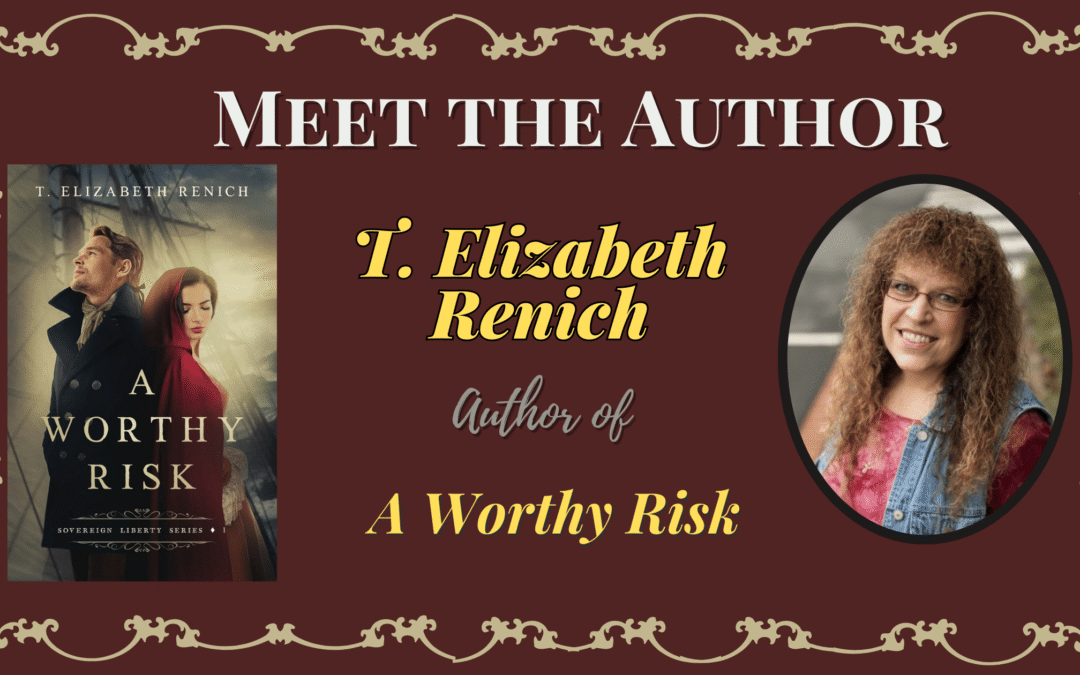
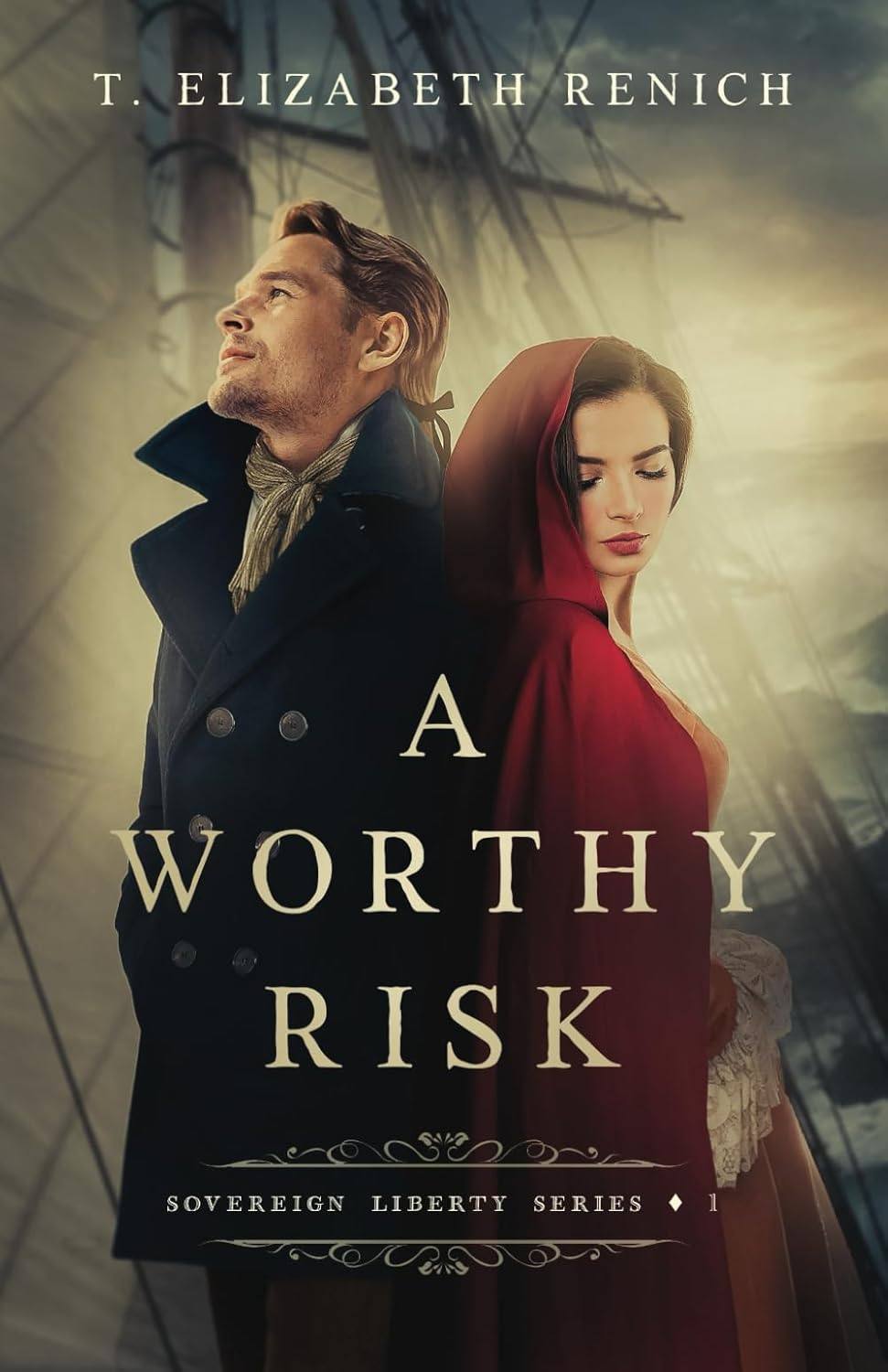
I’ve had the blessing of knowing T. Elizabeth Renich for several years now–or maybe it’s more. Time is slipping by faster than I want to admit. Either way, It’s been a blessing to get to know T.E. who wrote a fantastic Civil War series called the Shadow Creek Chronicles, and now she has jumped periods and is working on an intriguing Revolutionary War series, the Sovereign Liberty Series,. The first book, A Worthy Risk, is already out and ready for you to dive into. T.E. is graciously giving away a print copy to one U.S. Resident. Check out the end of this post for the details on how to have your chance. Before we go much deeper, allow me to give you a proper introduction to T.Elizabeth Renich.
 T. Elizabeth Renich has written five historical novels, worked for two NFL teams, and visited all fifty United States of America. International travels have found her in Germany, Japan, Ireland, Israel, Scotland, and England. She hunts historical markers and shares hope as an ovarian cancer survivor. Her love of photography is evident as she documents research trips and life, giving glory to God for the great things He has done.
You can connect with her through: Website | Facebook | Instagram | Gorgeous Georgians Facebook Group hosted with Laura Frantz
Now for the fun stuff! I have to admit I am partial to my Fast Five. 🙂 So settle in as I hit T. E. with rapid-fire.
CC: Rain or snow?
TE: Snow
CC: Makeup or no makeup?
TE: Makeup
CC: Personal maid or personal chef?
TE: Personal maid
CC: Arrive early, just on time, or late?
TE: Arrive early
CC: Food fight or water balloon fight?
TE: Water balloon fight
You people who arrive early never cease to amaze me. LOL So let’s dive into the nitty gritty.
What kind of stories are your favorite to write?
TE: Historical – because I have some readers who grew up not liking history and I’ve been able to change their minds… learning can be fun, and setting fiction in historical places helps dates and places come alive.
CC: It’s always broken my heart that so many history teachers have done a disservice to the next generation. I was blessed to have AMAZING middle school history teachers who brought history to life and inspired a love of history in almost all their students.
Do you read fiction while you are writing your own stories?
TE: Sometimes, if I have time — depends how close the approaching deadline is looming! I have investigated some fiction set in the same time period to see how other authors may have handled similar events — it makes a difference when trying to attain a fresh perspective on a “famous” historical event or being true to the nature of an actual historical person who lived in my time period, based on letters and diaries.
CC: Time is such a limited commodity! And all the research that goes into writing a good story really detracts from what reading time we get. I definitely don’t read as much as I used to, and it’s sad in a way.
What is your favorite part about writing?
TE: Favorite part about writing is the research because it helps shape the story. Least favorite is the research because I get waylaid from writing by far too many rabbit trails…
CC: Ha! Ha! Boy do I feel this one, especially when you’re at a part of a story that you don’t want to write. Research is the perfect legitimate excuse to get no writing done. LOL
Why do you write Christian Fiction?
T.E.: I believe writing Christian fiction is the mission field the LORD has called me to, amid the pages, to reach people I may never get to meet this side of heaven. The words He provides carry impact and influence, to be used wisely and for His glory.
CC: Amen. It’s definitely a challenging ministry to be called to, but what a blessing it is.
If someone has never read any of your books before, where should they start?
T.E.: A Worthy Risk is the first installment of my new Sovereign Liberty Series, so it’s a great place to start. (If readers enjoy that, they can find my Shadowcreek Chronicles series to tide them over until the second in the new series is released ; )
CC: Speaking of A Worthy Risk, let’s dive into talking about it!
Purchase your copy at Amazon
CC: Why did you write A Worthy Risk?
T.E.: I wrote this story because after spending time in Williamsburg, a friend challenged me to “do something” about the history in my own backyard — I live in Virginia — which would make it easy access for research. Williamsburg emphasizes the American Revolution, but I needed to back the story up so that I had an understanding of how the American colonies got to the point of declaring their independence from England. I knew very little about the French & Indian War and had never heard of Fort Michilimackinac. Learning about the years prior to the American Revolution served as a reminder that we were all British until 1776.
CC: How fun that a friend’s dare led you on an adventure in your own backyard. I’m looking forward to seeing what your research has brought up for us.
What is a fun fact readers might not know?
T.E.: In A Worthy Risk, I make mention of the defined boundary between Maryland and Pennsylvania as established by Charles Mason and Jeremiah Dixon in 1767 — but it wasn’t called the Mason-Dixon Line until 1820 when it became known as the divide between northern and southern states, as referenced in my Shadowcreek books.
CC: Oh that’s funny! I love close enough to the Mason-Dixon line that we’ve called it that many many times, but I had no idea that is what it actually referenced (the first part, I knew the second).
How did this story affect you as you wrote it?
T.E.: I had to do a lot of research, and I’m thankful for the provision of time and travel to places where things happened in my story. Being able to see the places first hand helps me see and convey the story to readers better.
CC: That truly is such a blessing. I don’t get to travel much these days, and thus my current series is set in my backyard.
What do you hope readers will take away from your story?
T.E.: I hope readers will learn one thing new to them that they didn’t know (or don’t remember learning in school) that might spark an interest in history.
CC: I love that. Historical fiction really is a blessing in helping others to become interested in history.
I always like to end with a fun question so . . .
You are in the back of a police car on your way to jail. What did you do, and is anyone with you?
T.E.: Maybe parking or flipping a U-Turn where it’s not allowed — to find a historical marker. Whoever is my current research assistant is likely in my passenger seat because they volunteered to ride along — ha!
CC: LOL! Those historical markers are in the most AWFUL places to stop. It’s always so annoying.
Readers, I hope you’ll check out A Worthy Risk and then leave a review on Amazon, Goodreads, and/or BookBub. You wouldn’t believe how important that is to an author.
Reader, what was your childhood history classes like?
Giveaway
Here’s your chance to win a copy of A Worthy Risk. Comment on the blog and enter the Rafflecopter for your chance to win! Entries close at 11:59 p.m. EST on 8/26. Open to legal U.S. residents. See Giveaway Policies for more details.a Rafflecopter giveaway
by Crystal Caudill | Jul 22, 2025 | Author Interviews
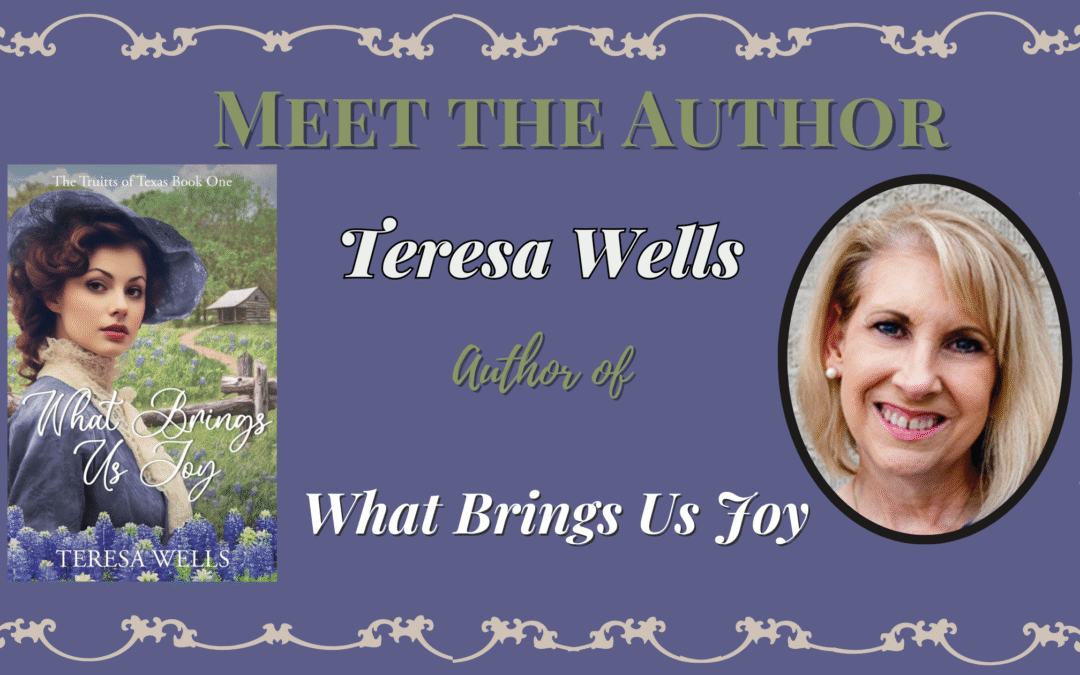
It’s always a blessing to get to introduce you to a new author. I think I’ve known Teresa for quite a while, and I’m so excited for her to release her debut novel. Teresa is graciously giving one U.S. resident a signed copy of her book and a bookmark. You’ll find the information for all that at the end of this post. For now, let’s get to know Teresa.
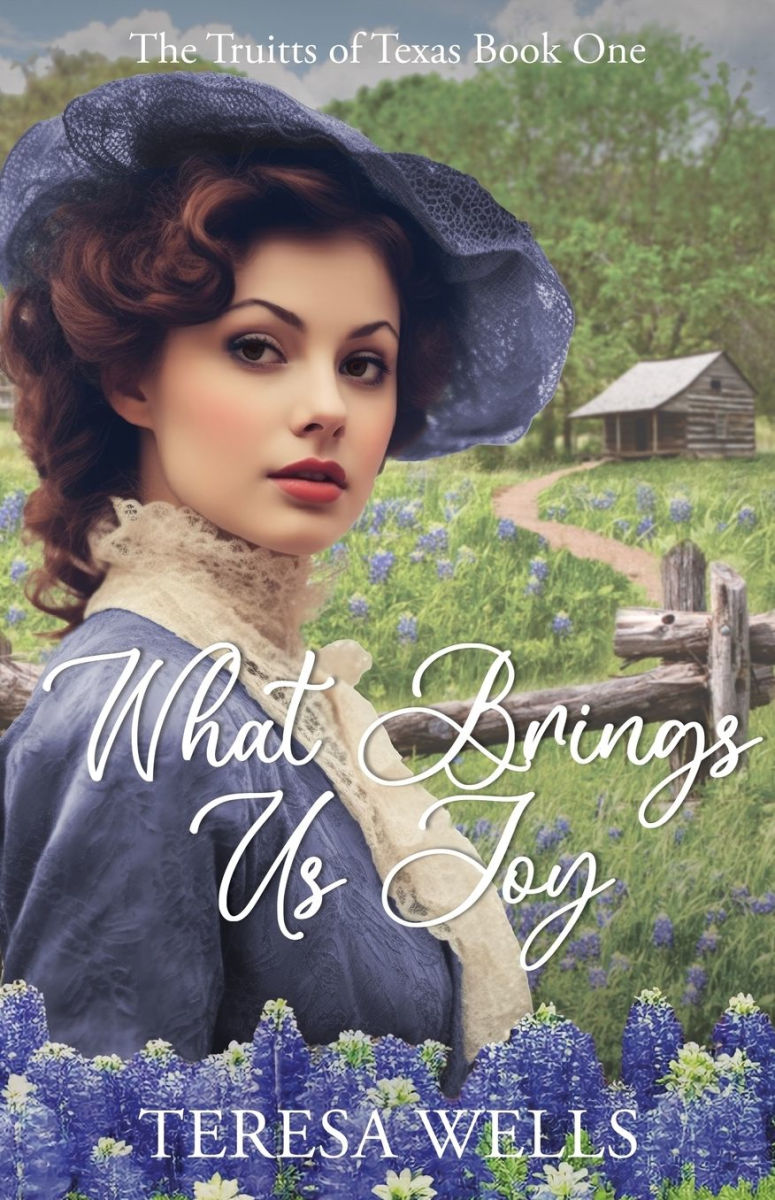
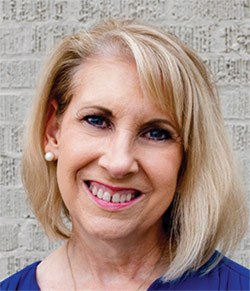 A former teacher and librarian, Teresa Wells treasures a story threaded with redemption and hope. She loves people, history, and studying the Bible. Teresa is a member of Novel Academy and American Christian Fiction Writers Association, where she volunteers behind the scenes. She lives with her family outside of Dallas, Texas. What Brings Us Joy is her first novel.
You can connect with her through: Website | Newsletter | Facebook | Instagram
Now for the fun stuff! I have to admit I am partial to my Fast Five. 🙂 So settle in as I hit Teresa with rapid-fire.
CC: Rain or snow?
TW: Rain–it’s temporary!
CC: Makeup or no makeup?
TW: Makeup! Really. Like, every day, morning to midnight. I have too much compassion for my fellow humans to go without it!
CC: Personal maid or personal chef?
TW: Personal maid! I’d be totally okay with a full-time, live-in maid.
CC: Arrive early, just on time, or late?
TW: Early! I hope my kids’ teachers aren’t reading this … I COULD have been that mom whose kids are perpetually late! Let’s just say life is better with time to spare!
CC: Food fight or water balloon fight?
TW: Since I can’t stand having dirty, gooey, sticky hands, I’m gonna go for the water balloon fight. At least you’re clean at the end of it!
I get the want to be early, but having kids means being perpetually late! LOL And good point about food fights!
Do you read fiction while you are writing your own stories? Why or why not?
TW: Absolutely! More specifically, I listen to fiction. Not while I’m in the act of writing, of course, but I have an audiobook going during the time I’m plotting, drafting, revising, or editing my own book. Why? Because I can’t live without fiction! Plus, laundry is totally okay if my mind is in another time and place. What do I listen to on audio? It depends. If I’m really digging into my own storyworld, I’ll choose a contemporary romance or romantic suspense. And every once in awhile I’ll listen to a podcast–but it better be good, or I’m switching back to my fictitious world.
CC: Fictitious worlds really are so much better!
What is your favorite part about writing? Why? What is your least favorite? Why?
TW: I love discovering the characters. I fill out a detailed questionnaire for each one, using a spiral notebook and taking my time to really think about what makes them laugh, what they feel is an injustice, what their weaknesses and strengths are. At the end of that process, I feel like these characters are friends of mine. If I know my characters, the storytelling goes much quicker.
My least favorite? Writing the first draft. My perfectionist side dukes it out with my hurry-up-and-tell-the-story side.
CC: Drafting is SO hard. Perfectionism can be a real problem during that part of the process!
Do you have a general writing process you follow or does it change all the time? What does your process look like from beginning to end?
TW: I’ve found that planning the story ahead of the writing gives me a sense of comfort. But I also allow myself flexibility to vary from the plan if it makes the story better.
When I’m writing, I need to feel like I’m right there alongside my heroine. I’ve found that taping up Sanborn maps of my town shows me the businesses that existed at the time of my story. I’ve printed photos of people who remind me of my characters and tacked them to the closet door in my office. And this might seem a little extreme, but sometimes I need to physically act out a scene. In What Brings Us Joy, Delia is an expert needlewoman. To place myself in her shoes, I did cross stitch. Doing that reminded me of all the stray threads that land on your clothes when you’re sewing, and of how tedious it is to thread a needle. In book two of this series, my heroine loves gardening. I might have to put aside my fear of wasps and bees and plant a little garden in my backyard!
CC: I also dive into trying to do as much as I can of my characters. The more hands-on you can be about learning your characters, the more authentic they can be.
How have you seen God work in your writing journey?
TW: He’s allowed me to feel more dependent on Him, especially when insecurity rears its ugly head. When I give those feelings to Him and ask for His guidance, I feel stronger, more sure of His purpose in my life. The situation doesn’t change, but my ability to cope with it does, with His help.
CC: There is nothing like writing to teach you how dependent you are on Him.
Why do you write Christian fiction?
TW: I’ve tried writing clean, no mention of the Lord, but I just can’t do it. To me, a world with no mention of the Lord feels empty.
CC: I understand that. I love that God has called different writers to reach different audiences and none is better than another, just all serving His purpose.
Do you have any advice for those who want to write their own stories?
TW: My biggest advice is to know your end goal. If it’s to get your thoughts on paper, then go for it! Write in a journal to your heart’s content. If you want to write for publication, whether short stories or full length novels, then devote yourself to learning the craft at least six months before you try to get a publishing contract.
CC: Those are all good things to keep in mind.
Now I’m excited to talk about What Brings Us Joy.
Unless she can finish her quilt in time to enter the county fair. The prize money would be just enough to open her shop. Determined and resourceful, Delia sets her sights on success—until her heart takes an unexpected detour when she meets handsome Clarence Parker.Bent on respectability, Clarence refuses to let his past get in the way of his future happiness, especially after falling for spirited Delia Truitt. But his hopes shatter when headlines declare members of his former gang have broken out of jail and are heading his way, set on revenge. Though Clarence doesn’t regret testifying against the outlaws, he fears his future with Delia is in jeopardy. Clarence will protect her from the killers, even if it means risking their future together.
Can Clarence keep her safe? And will Delia love him after she finds out about his past?
Purchase your copy at Amazon | Barnes & Noble
CC: What will fans of What Brings Us Joy love about your story and characters?
TW: I hope they can relate to the struggles and dilemmas Delia and Clarence go through.
CC: I definitely love how you have the storyline of Clarence’s past standing in the way. So many people struggle with the question of if people can really change.
How did this story develop and change from spark to finished book?
TW: At first, it was going to be a dual-timeline story, but before long, the contemporary story hit a dead-end, and the historical side went full speed ahead. So I dropped the modern story and focused on the 1895 time period. But I kinda went overboard! I ended up with two stories within one book, which doesn’t work! I had to decide which story spoke to me more, and said goodbye to the other half. I didn’t toss it out, though! Pieces of that version will show up in the next two books in the series.
CC: It’s so easy to make our first books have too much in them. I’m guilty of doing that even now! LOL
What is the most fascinating piece of research that shaped your story?
TW: I was captivated by all the snide jokes in newspapers toward women who spent time crazy quilting. It gave a good representation of 1890’s cultural view of women, for one thing. The condescension in those “jokes” made me cringe!
CC: Yeah. It was a tough season for women’s respectability.
Who was your favorite character to write? Why? Who was your least favorite? Why?
TW: Delia and Rabb were my favorites to write. I loved their banter. Writing that was very natural. Clarence was a little harder to write. I didn’t want him to come off too self-righteous, though he certainly is that. I also didn’t want his past to overshadow his current effort to live an ethical and honest way of life.
CC: That is definitely a hard balance.
What do you hope readers will take away from your story?
TW: I hope readers walk away knowing that people can change, with the help of the Lord.
CC: Amen.
I always like to end with a fun question so . . .
Which part of the roller coaster would you ride in: the front, middle or back? Why?
TW: The front! I need the full view of what lies ahead!
CC: LOL Sometimes I’m afraid to see what’s coming so kudos to you!
Readers, I hope you’ll check out What Brings Us Joy and then leave a review on Amazon, Goodreads, and/or BookBub. You wouldn’t believe how important that is to an author.
Reader, have you ever quilted or sewn anything? Are you any good or was it a disaster?
Giveaway
Here’s your chance to win a copy of What Brings Us Joy. Comment on the blog and enter the Rafflecopter for your chance to win! Entries close at 11:59 p.m. EST on 7/29/2025. Open to legal U.S. residents. See Giveaway Policies for more details.
a Rafflecopter giveaway

by Crystal Caudill | Apr 8, 2025 | Author Interviews
It’s my pleasure to bring back Linda MacKillop to the blog. With all these new and updated questions, I’m looking forward to getting to know her better. Linda is also graciously giving away a copy of each of her books, The Forgotten Life of Eva Gordon and Hotel Oscar Mike Echo to one U.S. resident. Check out the details below. If you missed the last time she was here, here is a bit about her before we dive in.
 Linda MacKillop is the author of the Christy-Award winning novel, The Forgotten Life of Eva Gordon, and the middle-grade novel Hotel Oscar Mike Echo, a finalist for the Christianity Today Book Awards for Young Adult. She holds an MFA in Creative Writing and is a member of the Redbud Writers Guild. Her articles and essays have appeared in magazines and literary journals. Linda makes her home in the suburbs of Chicago, Illinois. Discover more on lindamackillop.com.
You can connect with her through: Website | Newsletter | Instagram | Substack
Now for the fun stuff! I have to admit I am partial to my Fast Five. 🙂 So settle in as I hit Linda with rapid-fire.
CC: Rain or snow?
LM: Snow. I’m a Northern girl.
CC: Makeup or no makeup?
LM: A modicum of makeup.
CC: Personal maid or personal chef?
LM: Oh, definitely a personal chef!! One who cooks paleo.
CC: Arrive early, just on time, or late?
LM: My husband calls me “the on-time airline” if that answers the question.
CC: Food fight or water balloon fight?
LM: Water balloon fight–on a warm summer day.
I love that your husband has a nick-name for you. I think if mine gave me a nick-name for my tardiness, I’d be the Better Late Than Never gal. LOL
What kind of stories are your favorite to write?
LM: I write about broken people trying to make their way in life. This comes from my own background with troubled, broken parents who divorced. I have experienced God as healer, and I hope that I convey that truth and experience in my writing.
CC: I love that. We are essentially a world of broken people, and we all need the truth, hope, and healing of Christ in our lives.
Do you read fiction while you are writing your own stories?
LM: I read lots of fiction while I’m writing my own. I’m looking for a sense of strong voice and presence in the story, and I’m inspired by these kinds of books. They push me to work on my own story’s voice. And I like to be inspired by other writers.
CC: I love that. It’s definitely important to be reading the fiction you want to by inspired by as you write.
What is your favorite part about writing?
LM: Definitely the revision part is my favorite. Getting words down on a blank page for me is torturous and my least favorite part. But rewriting–or polishing–is so fun as you begin to see the story shine. This is also the part where I’m surprised by what appears on the page.
CC: That is wonderful. I haven’t decided if I love it or hate it yet.
Do you have a general writing process you follow or does it change all the time?
LM: I have a general process I follow. I pray before I write, usually on my knees, and then often, I read a little poetry to get my head around thoughtful, artful words. I write for about half a day, and then go off and do other things, like take care of my home, go for a walk, make dinner. The joy of the writing process for me is that when I step away from the desk, I still see the story developing in my brain, often answering questions that had me stumped while I sat at my desk.
CC: I love that. I definitely need to get better about getting away from my computer and just living life.
Do you have any advice for those who want to write their own stories?
LM: Start writing and don’t be afraid to write badly at first. Find a great critique group with experience writing and who will give you kind but truthful feedback. Read everything you can find in your preferred genre.
CC: Those are all great tips!
Now I’m excited to talk about The Forgotten Life of Eva Gordon and Hotel Oscar Mike Echo.
 Hotel Oscar Mike Echo
Home isn’t always what we dream it will be.
Eleven-year-old Sierra just wants a normal life. After her military mother returns from the war overseas, the two hop from home to homelessness while Sierra tries to help her mom through the throes of PTSD.
When they end up at a shelter for women and children, Sierra is even more aware of what her life is not. The kind couple who run the shelter, Mr. and Mrs. Goodwin, attempt to show her parental love as she faces the uncertainties of her mom’s emotional health and the challenges of being the brand-new poor kid in middle school. The longer she stays at the shelter, the more Sierra realizes she may have to face an impossible choice as she redefines home.
This middle-grade novel offers a compassionate look at poverty, homelessness, and hope. Readers walk alongside brave Sierra as she holds on to a promise she believes God gave her: that one day she will have a real home. But what if that promise looks far different than she has ever dreamed?
Purchase your copy at The Forgotten Life of Eva Gordon | Hotel Oscar Mike Echo
CC: What will fans of your books love about your story and characters?
LM: I write quirky and unusual people and situations.
CC: Those are some of the most interesting books to read.
Why did The Forgotten Life of Eva Gordon develop and change from spark to finished book?
LM: I originally wrote Eva Gordon in the first-person point of view of a person with increasing dementia. It was too difficult to write that close to a confused brain. It limited my storytelling, so I switched to a close third-person point of view.
CC: I can imagine how difficult that would be. I tried to write a first-person POV with a character in an asylum and I just couldn’t do it.
Why did you write this story?
LM: I was pondering a nagging question: If you have extremely difficult people in your life, why and how do you still find them loveable?
CC: That is a hard question and one I’m sure most of us deal with.
Who was your favorite character to write?
LM: In the Eva Gordon story, it was Mabel. She popped into the novel unexpectedly and added such a great dimension to the writing.
CC: I love it when characters add unexpected dimensions to the story!
What do you hope readers will take away from your story?
LM: Repair what you can in life before it’s too late.
CC: So easy to say, and so hard to do, but rarely is the right and good thing to do the easy thing to do.
I always like to end with a fun question so . . .
What would you be if you had to wear one Halloween Costume every day for the rest of your life?
LM: I would be a book because I could change the title on it each year while still wearing the same costume, and it would be easy to make from a cardboard box. My favorite costume as a child was when I made myself a Christmas package.
CC: Oh, that is such a fantastic idea!!! I love it! Thanks for hanging with us today!
Readers, I hope you’ll check out The Forgotten Life of Eva Gordon and Hotel Oscar Mike Echo and then leave a review on Amazon, Goodreads, and/or BookBub. You wouldn’t believe how important that is to an author.
Reader, have you ever read a book where a character was facing dementia, Alzheimer’s, or something of the such? What was it?
Giveaway
Here’s your chance to win a copy of The Forgotten Life of Eva Gordon and Hotel Oscar Mike Echo. Comment on the blog and enter the Rafflecopter for your chance to win! Entries close at 11:59 p.m. EST on 4/15. Open to legal U.S. residents. See Giveaway Policies for more details.
a Rafflecopter giveaway

by Crystal Caudill | Mar 25, 2025 | Author Interviews
Written in Secret has been out in the world for an entire week and I cannot thank you enough for the wonderful outpouring of support, encouragement, and reviews! If you’ve already read Written in Secret, I’ve created a Facebook Discussion group where you can talk all about it with others who have read it too! I hope to see you there!
While you’ve met a few of the characters–Lydia, Abraham, and Billy Poe (on Reading is My Superpower), I thought it might be fun to share an interview with myself about the book. 🙂 There are the usual giveaways at the end of the post, but you’ll also have the chance to ask me YOUR questions. It might take me a few days to get back to them, but I’ll be responding to each one. Who knows, maybe I’ll post a few on social media too!
 Can you tell us a little bit about your new novel, Written in Secret?
Lydia Pelton is a dime novelist who writes romances under her own name but secretly writes crime novels under the pseudonym E.A. Dupin. However, someone is murdering the exonerated criminals whose cases she based her novels on. The police suspect Dupin, but how can a man who doesn’t exist commit murder? Some poor decisions have left her at odds with Officer Abraham Hall, but she’ll never prove Dupin’s innocence without him or find the vigilante who’s determined to prove his love for her through murder.
What sparked the idea for Written in Secret?
I’ve always enjoyed movies, television episodes, and novels where the concept of a book is brought to life. As a historical romantic suspense author, I was excited to toy with the idea of someone bringing a mystery author’s books to life for nefarious purposes. I’m also a Teenage Mutant Ninja Turtles fan, and the vigilante character Casey Jones inspired the idea of including a villain with noble intentions executed in a very vile way.
What themes present themselves throughout the novel? Which ones speak most to readers today?
When this story began percolating in my imagination, the country wrestled with “What is justice?” and “How should injustice be handled when we feel our justice system has failed us?” There was lots of rioting, talk of vigilante justice, and discourse on how things should be handled within the constraints of the law. I’m not sure society ever agreed on what those answers should be. I never aimed to answer those questions for my readers but to spark discussion and thought on our response to injustice as Christ-following believers.
Why did you choose 1880 Cincinnati as your setting?
During this period, Cincinnati had a reputation for corruption. Criminals often walked away with lesser sentences or no conviction if they had the right political connections or financial ability to grease palms. Juries, judges, and officers could be and were bought. Elections were known to be rigged, and the citizens felt helpless to change anything. On top of that, the restructuring of police management through a board of police commissioners failed in early 1880. After that, the running of the police department fell under the mayor’s responsibilities. The mayor appointed or fired officers. Sometimes, they were fired for something as simple as having a differing political view. It was a volatile time that actually led to a major riot in 1884 that killed 58 and injured far more. It was the perfect storm for the setting of my novel.
What will fans of romance love about your story and characters?
I hope readers will love the banter between Lydia and Abraham and how they help each other grow as Christians and individuals. I also hope readers will spy all my little pokes of fun at romance novels and how I purposely twist expectations.
What was the most fascinating thing you found during your research that shaped your story?
I’ll try to keep this brief because I could talk about this for hours. Bottom line: Dime novels revolutionized reading and were met with significant opposition. Before the invention of dime novels, books cost $1 to $3 each, putting them firmly out of reach for the average worker who only made $5 to $8 a week. Dime novels were 100-page paper leaflets that sold for between a nickel and twenty-five cents and made reading material available to the common man, woman, and child. However, the middle and upper classes generally opposed their existence. Many viewed dime novels as soul-corrupting and leading to an increase in crime from the lower class. Many lobbied to ban them, even though members of all classes read them. This societal dissonance shaped the direction of my story, my heroine’s reasoning for hiding behind a pseudonym, and Cincinnati’s response to discovering my heroine not only wrote romance novels but also mystery novels that dove into the underbelly of the criminal world.
If readers have read Counterfeit Love, they have already met Lydia and Abraham as side characters. What new things will readers learn and love about them in this new story?
Written in Secret takes place four years before Counterfeit Love and tells the romance story of Theresa’s best friend. While Lydia was firmly rooted in Christ by Counterfeit Love, Written in Secret shows Lydia’s growth in her faith walk. Like many Christians, Lydia feels her relationship with Jesus is good enough. However, when a vigilante uses her stories to commit murder, she’s confronted with the lies she’s used to get published, obtain research, and hide her identity from even her family. Readers will get a front-row seat to her growth, wild imagination, and humor.
Abraham is the sensibility to her madness, although Lydia is a puzzle to him. He first met her when he arrested her and Theresa for attempting to “rescue” a three-legged goat from the circus. She’s a temptation to figure out, but he wants no future with a criminal dime novelist who can’t take responsibility for her decisions. Still, their banter and the need to protect her from the vigilante her books created bring him into constant contact with her. The road to becoming a detective is difficult, but with Lydia in the way, it’s nearly impossible.
The villain is unique. Can you tell us a little about him?
Lydia’s crime novels featured a detective hero named Billy Poe. In her stories, Billy Poe investigated crimes that exactly matched the cases that inspired the story. However, in each book, before they could be arrested, the criminals met similar fates to the crimes for which they’d escaped punishment. In her fictional world, Billy Poe is the hero, but someone in the real world has taken on Billy Poe’s identity and is murdering the criminals from the original cases exactly how they die in the books Lydia wrote. He leaves quotes from the book on the bodies and claims the deed. However, no one knows who he is. At first, people believe him to be the author, E.A. Dupin, but when it’s discovered Dupin is Lydia’s pseudonym, the police (and hopefully the reader) are left with no idea who the true villain is.
Written in Secret is the first book in the The Art of Love and Danger series. Please tell us about the series.
The series contains three books that follow four friends who each have a talent or career related to one of the arts. Theresa paints and engraves, Lydia is a dime novelist, Nora secretly sings and writes songs, and Flossie creates and paints pottery. Each woman’s art plays a significant role in the plots and how they face the problems around them. And, of course, love and danger will pursue them through each page. Only three of the four friends have books in this series, but you can read Counterfeit Love for Theresa’s story. While each book can be read as a stand-alone, the series will best be enjoyed by reading them in order.
What do you hope readers take away from reading Written in Secret?
My biggest hope is that they’ll walk away having read a story that excited and entertained them. On the “deeper” side of things, I hope readers will walk away knowing that God is still just and able even when there is injustice in the world. Sometimes, God will use injustice to change a person’s heart toward Him, and sometimes, we never get a reason or explanation. But we can act justly, love mercy, and walk humbly with God.
What is a fun fact about this book that readers might not know?
The four friends who call themselves “the Guardians” are inspired by my core critique group and friends, “the Mayhemmers.” We came together as mostly unpublished writers and have now all walked through the published author door supporting each other in our careers, personal lives, and spiritual walks. And that is what each of “the Guardians” does. Each character has qualities loosely based on each of these ladies. I tend to behave like Theresa, Liz Bradford like Lydia, Angela Carlisle like Nora, and Voni Harris and Flossie share some of the same characteristics. It’s been fun tucking in qualities of my best friends into a fictional world.
What kind of research did you do for this book?
There was an eclectic range of topics I needed to study. I spent the most time researching dime novels, from their history to the publication culture surrounding getting published, then to the societal reaction to dime novels. Of course, I read a few to gain an understanding of their style and content. I also did a massive amount of research on the history of the Cincinnati police department. It was actually a pretty complicated history where dates were incredibly important to make sure I knew who was over the department (a board or the mayor), what resources they had or didn’t have available (telephones before police wagons), how they were structured, where the stations were, and so much more. I adored every minute of it. A special treat was visiting the Greater Cincinnati Police Museum and getting a personal tour from a former chief of police and historian for the museum.
Written in Secret by Crystal Caudill
In the heart of nineteenth-century Cincinnati one woman holds the power to rewrite history.
What happens when fiction becomes reality? In the corruption-infested Queen City, danger lurks in every shadow, but Lydia Pelton refuses to stay silent. She writes under a pseudonym, E. A. Dupin, crafting crime novels to exact justice and right the wrongs she sees in society. When a serial killer decides to be the sword to her pen, Lydia is confronted with the consequences of her words. Four men are dead, and the city blames her.
With murders on the rise, Officer Abraham Hall’s only lead is Lydia’s fiction, and he is thrust into an investigation with the “Killer Queen of Romance.” Despite his misgivings about the woman, he realizes that even with his reputation for catching elusive criminals, he needs her help. But his unexpected attraction to Lydia proves as difficult to manage as the woman herself.
As the mystery unfolds, Abraham and Lydia race to rewrite the ending, not only for Cincinnati’s citizens, but for their own hearts too.
Purchase Links: Amazon | Apple Books | Baker Book House | Barnes & Noble | Books-A-Million | Christianbook | IndieBound | Kobo
Month-Long Blog Giveaway
Help me celebrate the release of Written in Secret and get the word out about the new series. From March 4 to April 1, this giveaway will be open to those legally allowed to enter both domestically and internationally. International winners will be given a prize of equal value as shipping costs are prohibitive. See my giveaway policies for more details.
Prize: homemade book cozy, fuzzy socks, journal, reader mug mat, bookmarks, stickers, tea, and chapstick.
a Rafflecopter giveaway
Month-Long Giveaway #2
Already have the book?? This giveaway is for you. Somewhere in the first fifty pages of Written in Secret is the answer to “What attacked Lydia and Abraham inside the circus tent?” Fill out the below Google Form to be entered for your chance to win a $25 gift card to Amazon or Baker Book House. The giveaway runs until April 11, 2024. The winner will be selected the week of April 12 and notified by email.
Enter Here
Readers, comment with:
What questions do YOU have for me?

by Crystal Caudill | Feb 11, 2025 | Author Interviews
It is my pleasure to introduce to you a new-to-me author, Susan G. Mathis.
 Susan G Mathis is an international award-winning, multi-published author of stories set in the beautiful Thousand Islands, her childhood stomping ground in upstate NY. Susan has been published more than thirty times in full-length novels, novellas, and non-fiction books. She has thirteen in her Thousand Islands fiction line including, The Fabric of Hope: An Irish Family Legacy, Christmas Charity, Katelyn’s Choice, Devyn’s Dilemma, Sara’s Surprise, Reagan’s Reward, Colleen’s Confession, Peyton’s Promise, Rachel’s Reunion, Mary’s Moment, A Summer at Thousand Island House, Libby’s Lighthouse, and Julia’s Joy, and Emma’s Engagement. Find out more at www.SusanGMathis.com/fiction.
You can connect with her through: Website | Amazon | Facebook | Instagram | Pinterest | Goodreads | BookBub
Now for the fun stuff! I have to admit I am partial to my Fast Five. 🙂 So settle in as I hit Susan with rapid-fire.
CC: Pineapple pizza or candy corn?
SGM: Pineapple pizza (with Canadian bacon please)
CC: Test the waters or dive in the deep end?
SGM: Test the waters
CC: Guacamole or salsa?
SGM: Guacamole
CC: Silly hats or silly socks?
SGM: Silly socks
CC: Passwords or secret handshakes?
SGM: passwords
I’m such a silly socks person too. In fact, many of our answers would match!
When did you first realize you wanted to be a writer?
SGM: I taught Language Arts to middle schoolers for nine years, wrote curriculum for ACSI for five years, then became editor/editorial director at Focus on the Family for nearly a dozen years. So, I’ve had over 1,000 articles and fifteen non-fiction books published. I guess I’ve always had that desire, but when I started writing fiction, I was hooked!
CC: Holy moly! That is a LOT of writing.
What is your writing Kryptonite?
SGM: Well, I had thumb reconstruction surgery in December on my primary writing hand so that’s been a challenge. But generally, I stick to my schedule and work through any obstacles that come my way.
CC: Youch! I bet that is not a fun recovery!
What has been the biggest challenge for you on your writing journey?
SGM: Marketing. It’s an endless task but oh so necessary. If only I could jump into my story world and hang out with my characters all the time, it’d be heavenly. But…as we know…heaven comes later.
CC: I think marketing is the bane of every writer’s existence. LOL
Now I’m excited to talk about Emma’s Engagement.

Emma Row embarks on a journey that will test her resilience and love. She marries Michael Diepolder, the Rock Island Lightkeeper and widower, a man who seeks a companion for both himself and his eleven-year-old daughter, Ada. But as she steps into the role of lightkeeper’s wife with a heart full of hope, little does she know that the idyllic setting conceals challenges that will shake the foundation of her happiness. Isolation creeps in, compounded by Ada’s determination to keep her father all to herself. As a storm looms, Emma must grapple with the difficulties of being a stepmother and lightkeeper’s wife. Will she find her place, or will the tumultuous waves of doubt and isolation tear them apart?
Purchase your copy at Amazon | Barnes & Noble
CC: Which readers will be the ones who most love your book?
SGM: Because I write about real places and people, I want to be as accurate as possible, so I have a Thousand Islands historian who read my story for accuracy. I also like to incorporate as many historic details to make sure my details were correct, and this one took a lot of research since it’s now a privately owned island and lighthouse. Though it’s extra work, it always helps to check with the experts. My readers love that they can depend on the factual history of the story.
CC: Historical accuracy is so important to so many readers!
Who was the most challenging character to create?
SGM: It’s always hard to inflict pain on the characters you’ve grown to love, so having Emma in so much pain from Ada’s rejection and the adjustment to a new marriage and stepparenting was difficult. As readers journey with her, they witness the challenges and the adjustments necessary. Her trials not only reveal Emma’s character but also influences her decisions and relationships throughout the story.
CC: That would be difficult to write!
What do you hope readers will take away from your story?
SGM: All fourteen of my Thousand Islands’ stories have hope as the central theme. Hope for a better future. Hope for love. Hope for healing. Emma’s Engagement also focuses on a stepfamily family, healing broken hearts, forgiving those who hurt you, and embracing God’s redemption.
CC: Hope is such a beautiful thing to display and share in our stories.
I always like to end with a fun question so . . .
If you were stuck on an island, what three items would you have with you?
SGM: My Bible, my computer, and a solar charger. That way, I can keep on writing and reading the word of God.
CC: No rest for the weary when it comes to writing, right?
Readers, I hope you’ll check out Emma’s Engagement and then leave a review on Amazon, Goodreads, and/or BookBub. You wouldn’t believe how important that is to an author.
Reader, what stories have you read that include stepfamilies?


 Novelists in November is a Christian short story collection featuring eleven emotional tales of authors finding their calling in Christ and pursuing hope, joy, and inspiration. This anthology contains touching stories from contemporary and historical fiction authors with a mix of romance, women’s fiction, and mystery!
 The Forgotten Life of Eva Gordon