
A Brief History of the Secret Service
“The detection of crime, when entered upon with an honest purpose to discover the haunts of criminals and protect society from their depredations by bringing them to justice, is held to be an honorable calling and worthy of commendation of all good men.”
– Hiram C. Whitley, Chief of the Secret Service, May 1869 – September 1874
Welcome to my series of blog posts revisiting my research on the Secret Service for my Hidden Hearts of the Gilded Age series. For the next few months, I’ll be posting about their history. At the end of each post, I’ll include my resources and links to the other posts. As each post goes live, the links will be updated.
Part 6: Working Undercover
“To meet and thwart [crime] requires the most subtle ingenuity, incessant vigilance, and unflagging energy upon the part of officers of the law.” – Herman C. Whitley, Chief of the Secret Service from May 1869 to September 1874
Investigating
Sometimes, before working undercover or while another operative worked undercover, an operative would conduct interviews. Victims would report the passing or “shoving” of counterfeit bills, and, through an interview, describe the alleged criminal.
Once located, another interview would be conducted with the suspect to determine whether the “shover” had knowingly committed the crime. In such situations, the operative had to appear honest and sincere to gain the trust of those he interviewed. He also needed keen observational skills and the ability to recognize a lie when he heard it.
While these investigative skills were great for lower-level criminal activity, they were practically useless for coping with the sophisticated criminals who financed, manufactured, and distributed counterfeit notes. That is where working undercover came into play.
Working within the Criminal Network
To enter a counterfeiting ring, an operative had to conceal his identity and cultivate contacts within the underworld, usually with the help of their informants. By playing a role, he was able to participate in discussions about criminal activities and hopefully induce suspects to commit a crime when and where he could observe them.
Operatives, or their assistants, frequently purchased counterfeit money from underworld criminals, carefully marking the bills with the date of purchase and the purchaser’s initials.
Although observing a transaction was an important objective, it was only a small part of a long-term strategy to identify all the criminals involved with a particular note. Operatives had to ignore minor crimes to build cases against major criminals. Small-time criminals were offered inducements to betray the higher-up criminals.
By spurning immediate arrest, the operative hoped to delve deeper into the counterfeiting ring and develop evidence against each individual. Like the Pinkertons, the Secret Service had a cataloging system for each forger’s name, age, aliases, physical description, dates of arrests and releases, criminal methods, counterfeiting specialties, and a photo of him and/or his cohorts. Ideally, arrests would occur only after all the guilty parties had been identified.
Cases required both investigating and instigating skills.
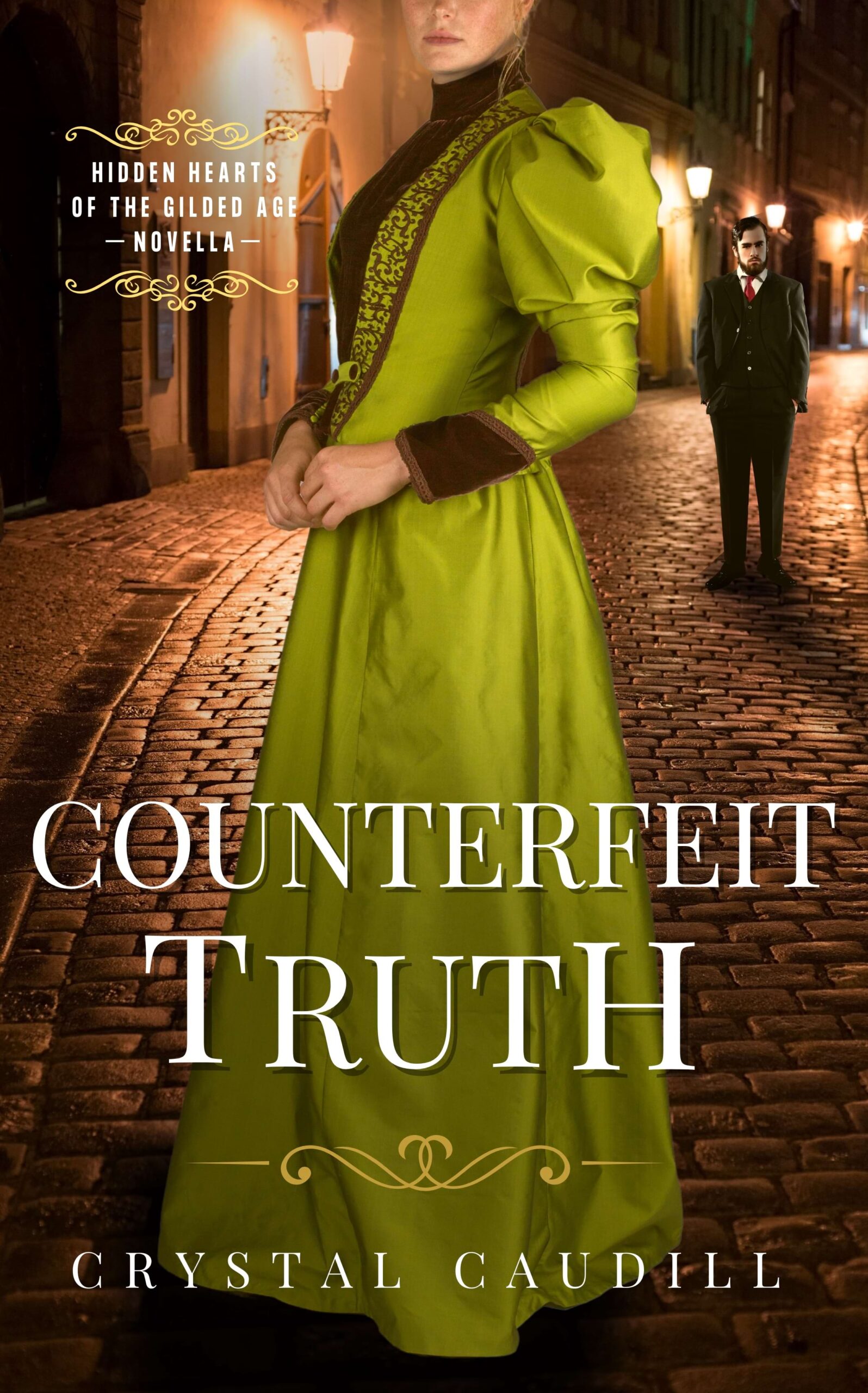
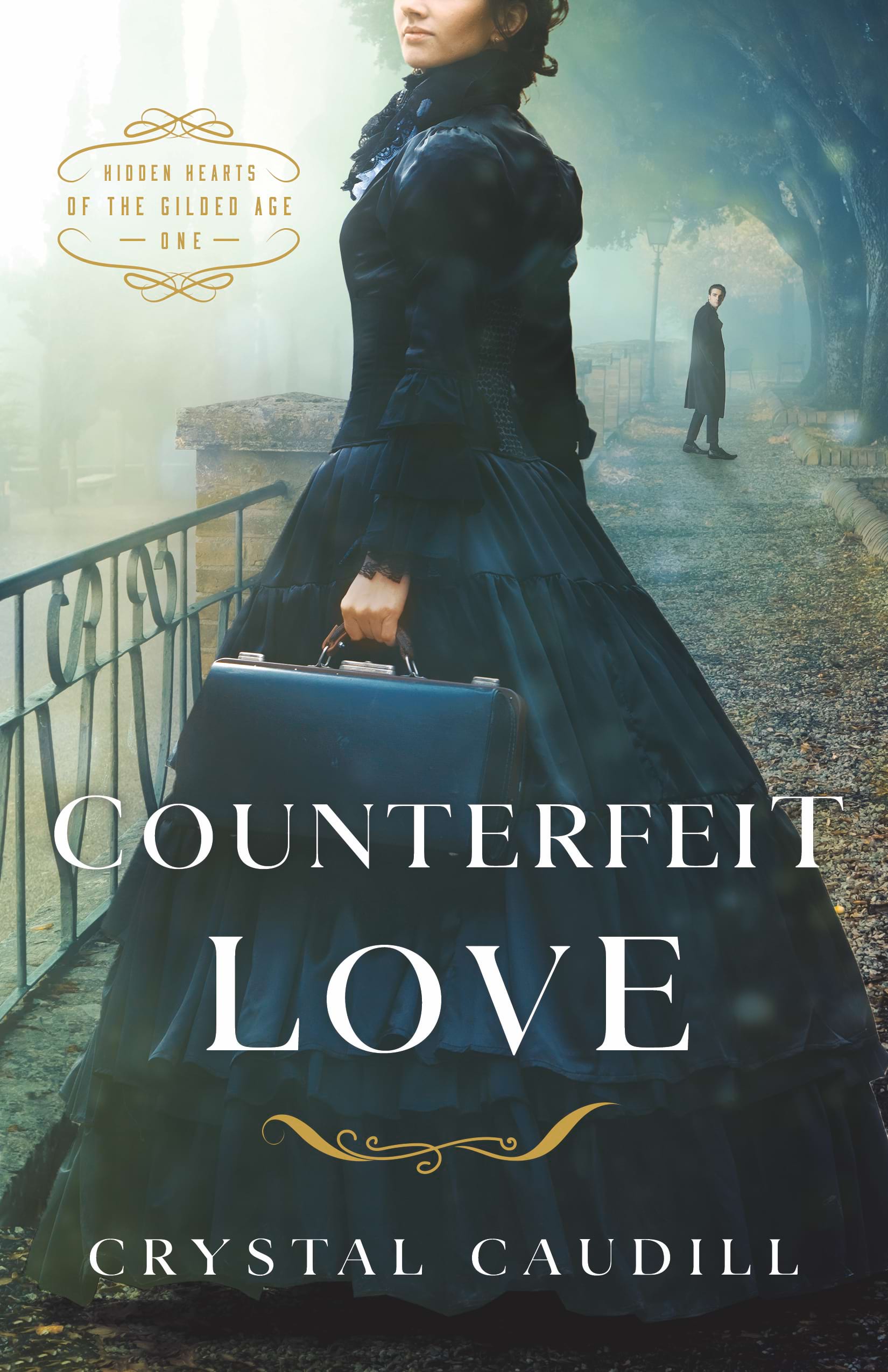
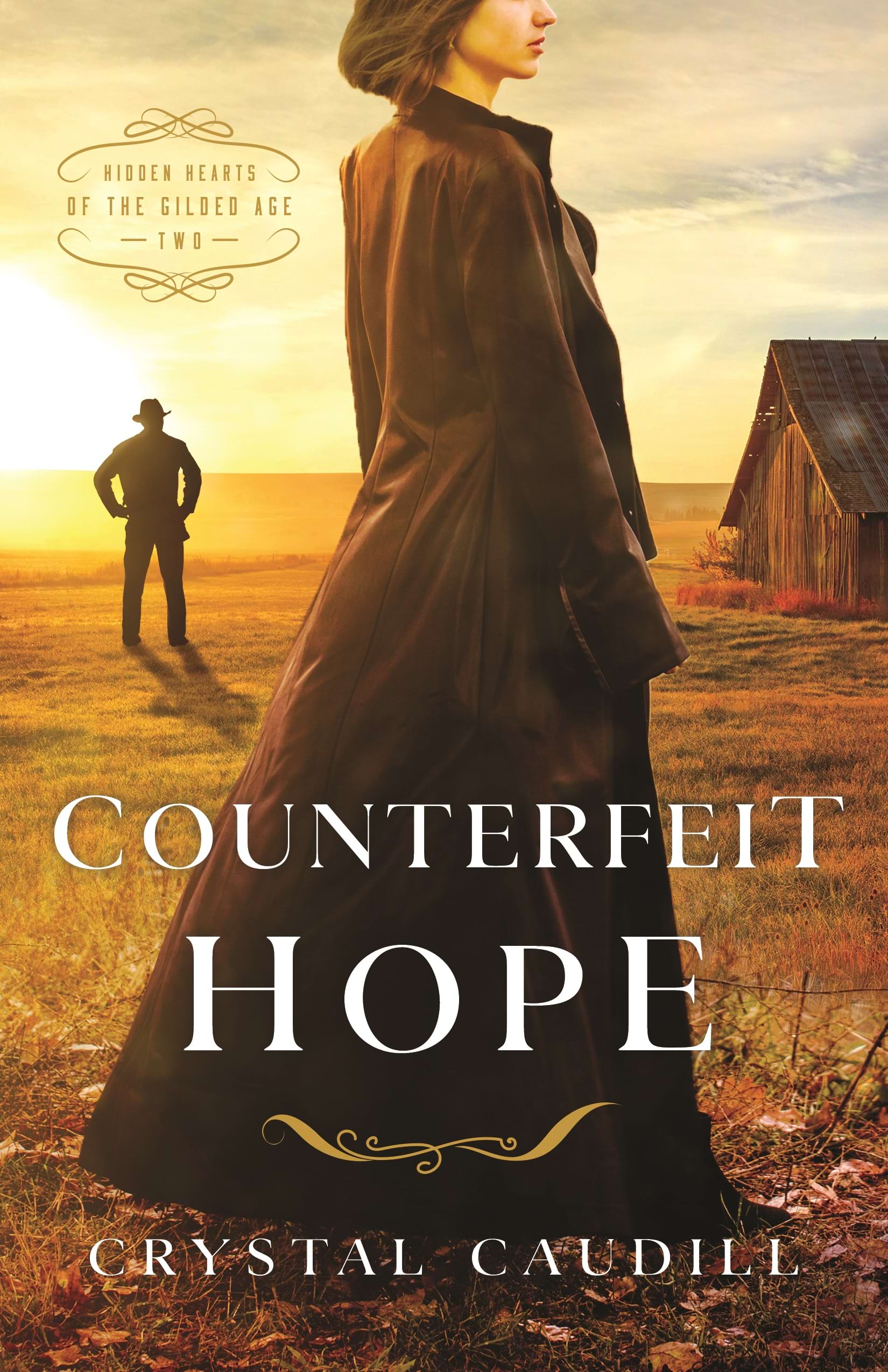
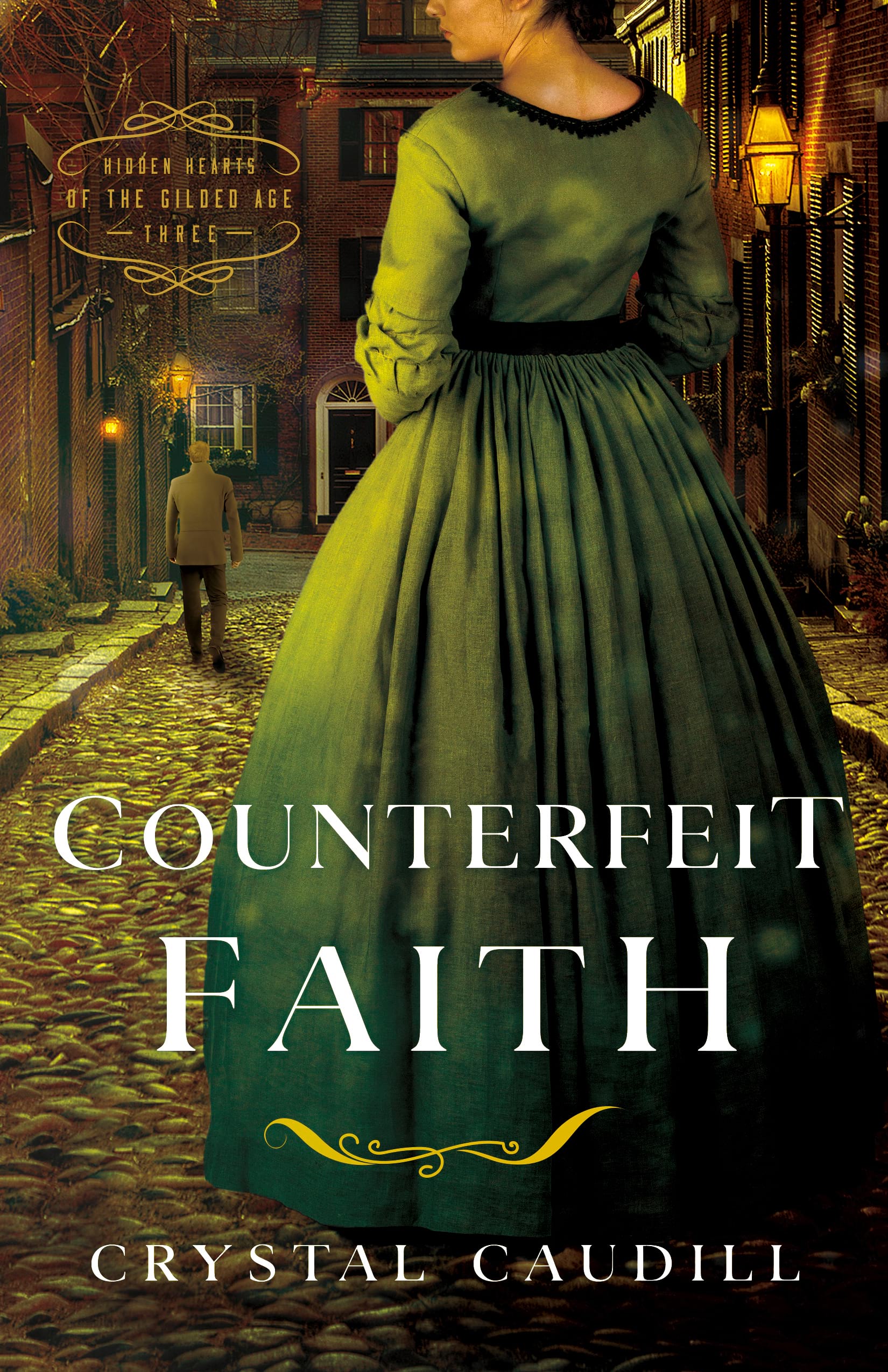
Check out the Hidden Hearts of the Gilded Age Series
Can these four Secret Service Operatives catch the counterfeiters … without losing their hearts?
A Gilded Age Secret Service historical romance series, with mystery and suspense
Resources
While I’m not going to list all the resources I used in research for this story, I will leave you with a few of my favorites in case you want to research further.
Books
Illegal Tender by David R Johnson* (My personal favorite. It gives you a look at counterfeiters AND the Secret Service.)
The United States Secret Service by Walter S. Bowen and Harry Edward Neal
Freedom’s Detective: The Secret Service, the Ku Klux Klan, and the Man Who Masterminded America’s First War on Terror by Charles Lane
True Detective Stories by Andrew L. Drummond (Digital)
Digital Resources

ABOUT CRYSTAL CAUDILL
Crystal Caudill is the author of “dangerously good historical romance.” Her debut novel, Counterfeit Love, was a 2023 Carol Award finalist, and her novella, “Star of Wonder,” won the 2024 Christy Award for short form. She loves history, hot tea, all things bookish, and the Teenage Mutant Ninja Turtles. She is a stay-at-home mom, caregiver, and chaos organizer. When she isn’t writing, Crystal can be found hanging with her family and playing board games at her home outside Cincinnati, Ohio. Find out more at crystalcaudill.com.
Connect with the author:
Website | Newsletter | Facebook | Facebook Group | Instagram | Pinterest | Amazon | BookBub | GoodReads
A Question for You:

interesting post on Secret Service my favorite fact was the Secret Service actually works undercover too I thought that was another agencies job
They do all sorts of things.