
A Brief History of the Secret Service
“The detection of crime, when entered upon with an honest purpose to discover the haunts of criminals and protect society from their depredations by bringing them to justice, is held to be an honorable calling and worthy of commendation of all good men.”
– Hiram C. Whitley, Chief of the Secret Service, May 1869 – September 1874
Welcome to my series of blog posts revisiting my research on the Secret Service for my Hidden Hearts of the Gilded Age series. For the next few months, I’ll be posting about their history. At the end of each post, I’ll include my resources and links to the other posts. As each post goes live, the links will be updated.
Part 2: The Making of an Operative
Operatives tended to have military, police, or detective experience and come from a law-abiding middle-class background. These men were successful in life prior to being appointed and often had a job history that indicated an ambition to do more.
Unlike their predecessors, they adapted their behavior to bureaucratic routines, followed orders, and obeyed rules. They were talented detectives, highly tolerant of paperwork, and committed to organizational goals.
They were a tough, capable, and honorable breed, with high standards of personal integrity, who felt it their duty to interact with criminals for the greater good of society.
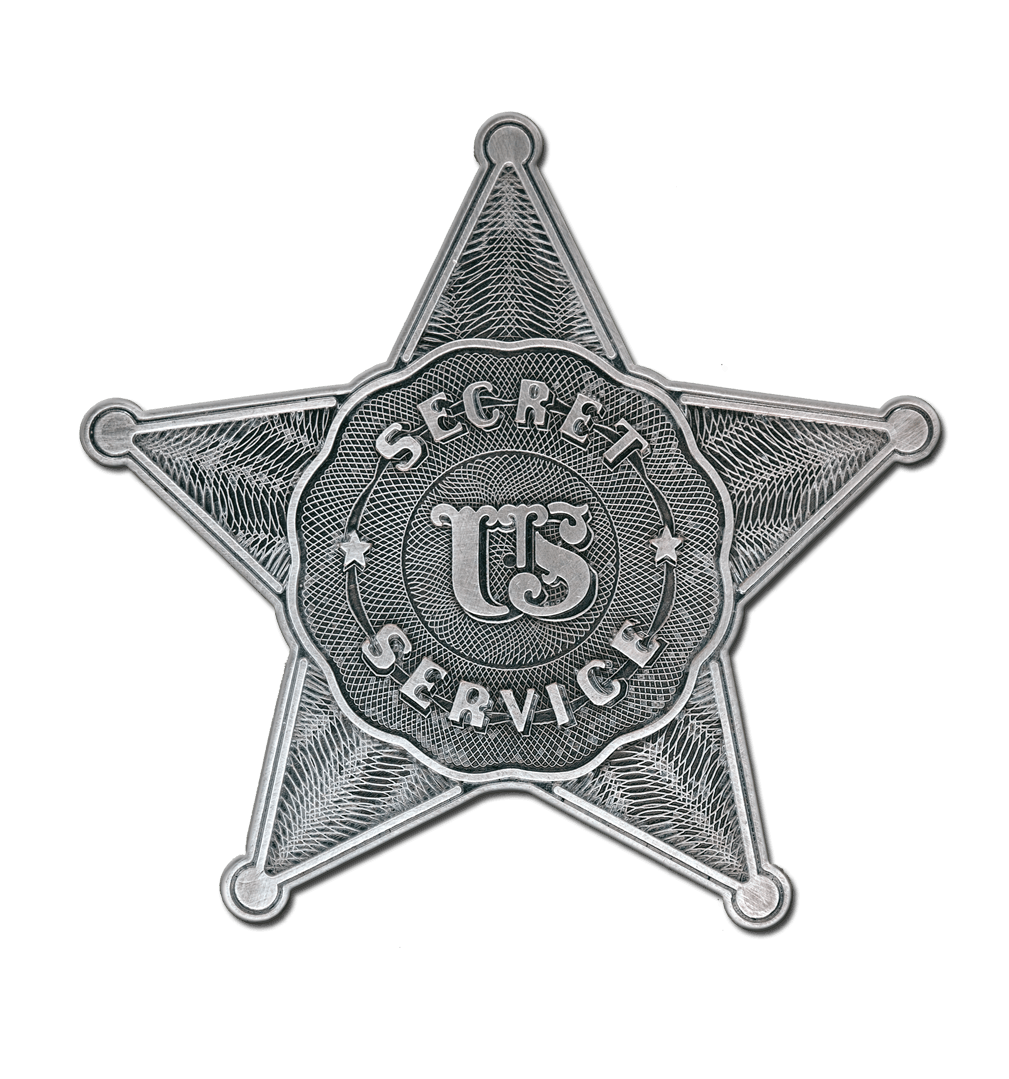
THE DO’S AND DON’TS OF BEING AN OPERATIVE IN THE 1880S
“Employees will be judged by the character they sustain, by the results they accomplish, and by the manner in which they accomplish them.” – Elmer Washburn, Chief of the Secret Service 1874-1876
- Avoid “any appearance of impropriety or disgraceful behavior.”
- Criminals are not personal acquaintances; they are enemies of the social order.
- Submit weekly reports to the director. They must include accounts of your actions and expenses every hour of every day.
- Do not accept gifts or gratuities to perform or forgo official duties.
- Do not deliver or give permission to use counterfeit money to any unauthorized person.
- All arrests must be in strict conformity to civil law and with the cooperation of the local policing institution.
- All financial transactions must be reported, even those involving criminals.
- Report all criminal transactions: what was paid for counterfeit money, from whom it was purchased, where the deal was made, the kind of bogus money purchased, and how much counterfeit was obtained.
- Record “all charges for information and assistance,” including names and residences of each person receiving these sums.
- Purchasing counterfeit money must be done for the smallest, practical amount.
- “Authority must be had from this Office before any bargain is made for information or assistance, unless the operative can clearly make it appear that the interest of the service would have suffered materially by the delay necessary, in order to obtain such authority.”
- “Operatives will neither promise, either by word or implication, immunity from punishment, nor anything in mitigation of sentence, to any person for any offense he may have committed.”
- Suspects must be warned about their rights – everything they say will be documented and used against them in court. Suspects needn’t answer any questions until a lawyer is obtained. (This was long before the Miranda Rights became required in 1966.)
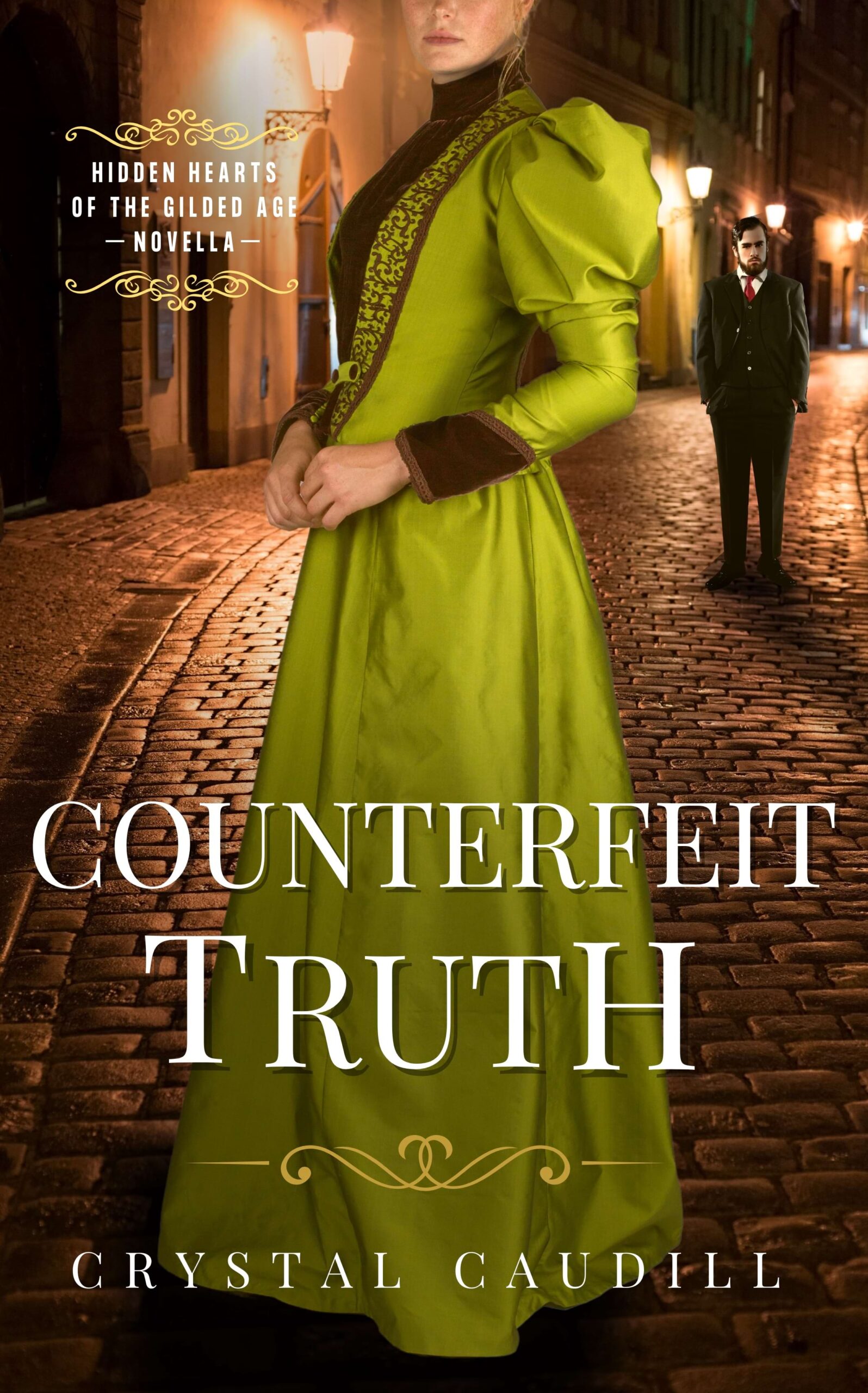
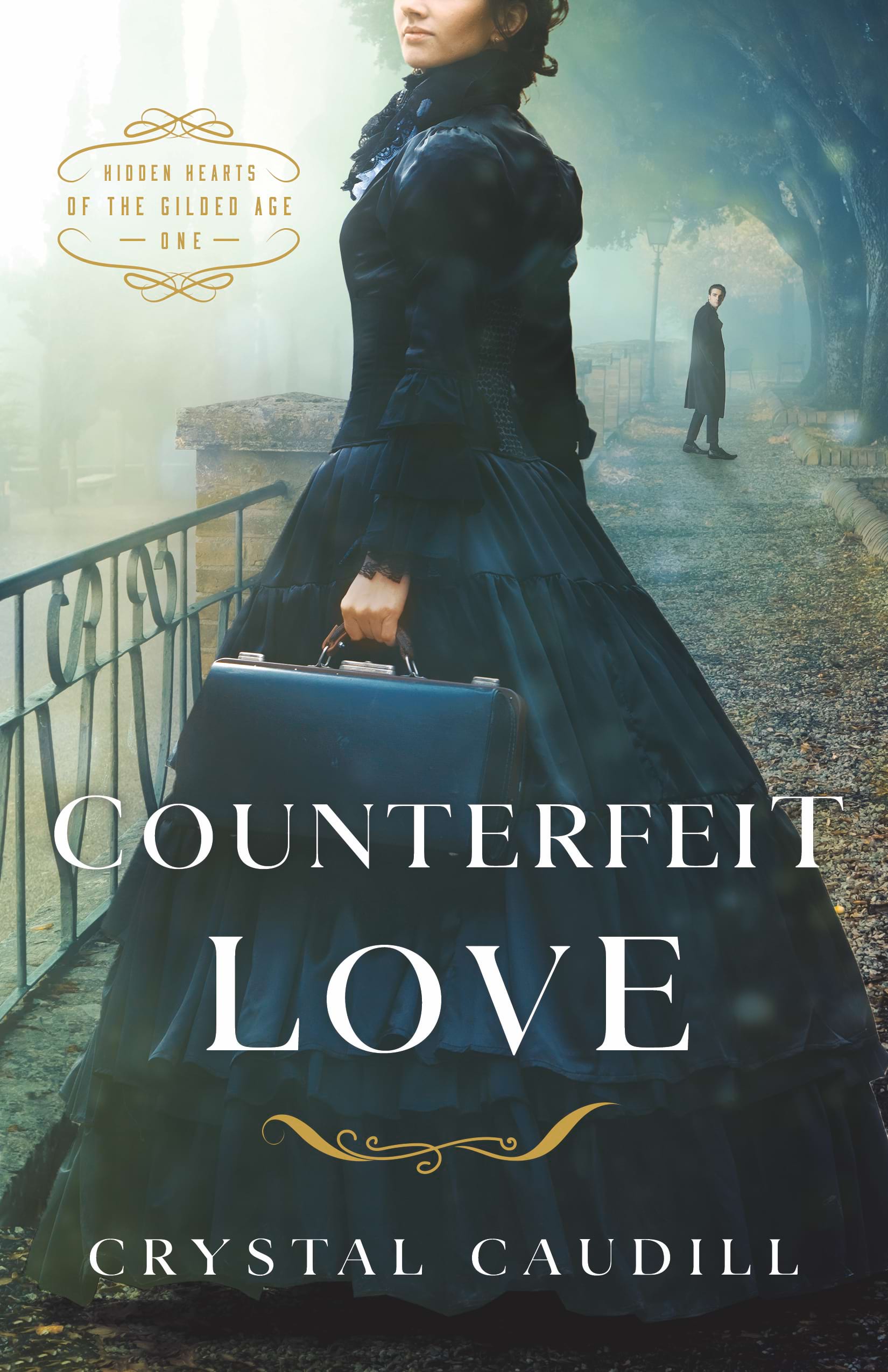
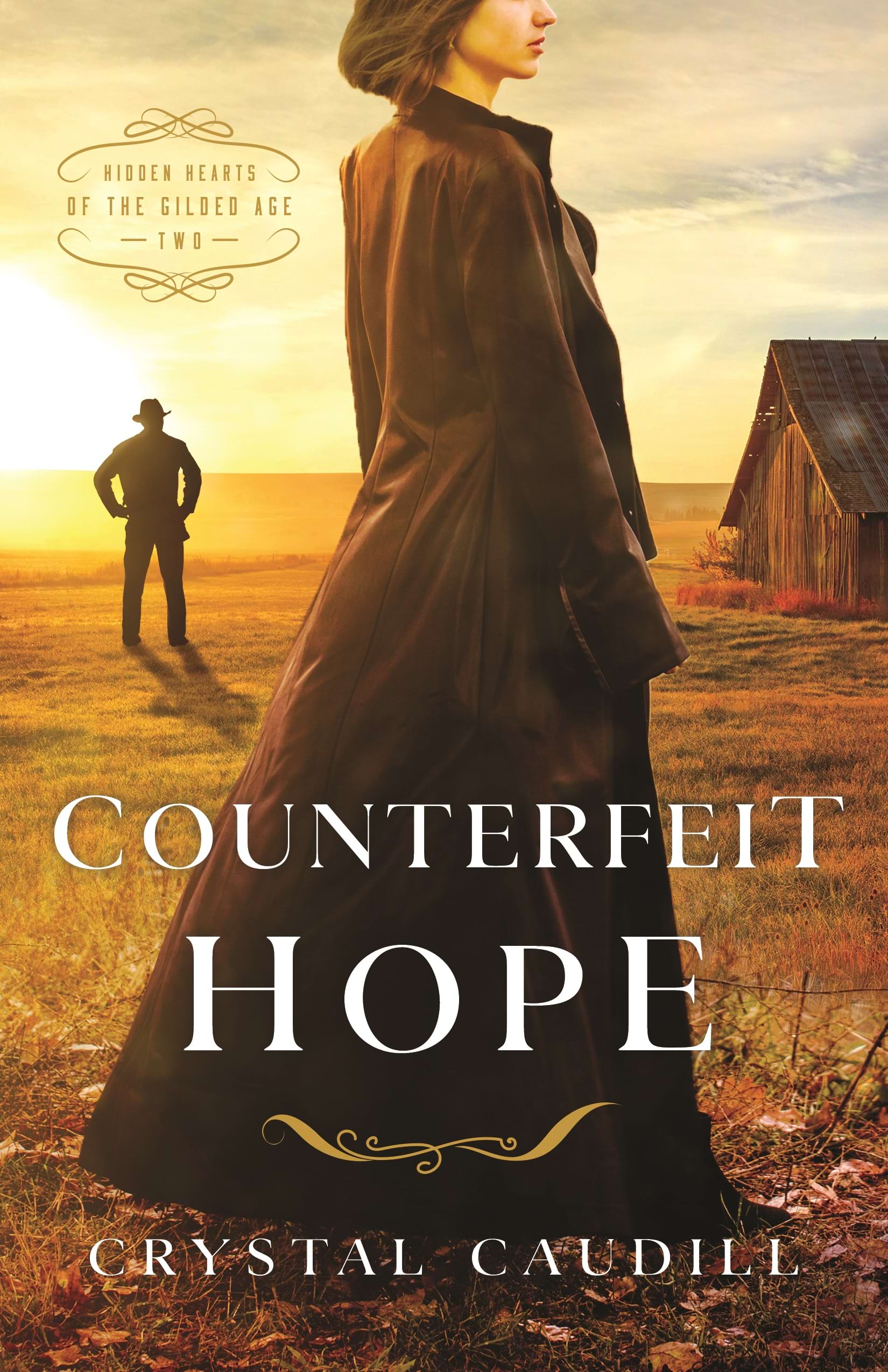
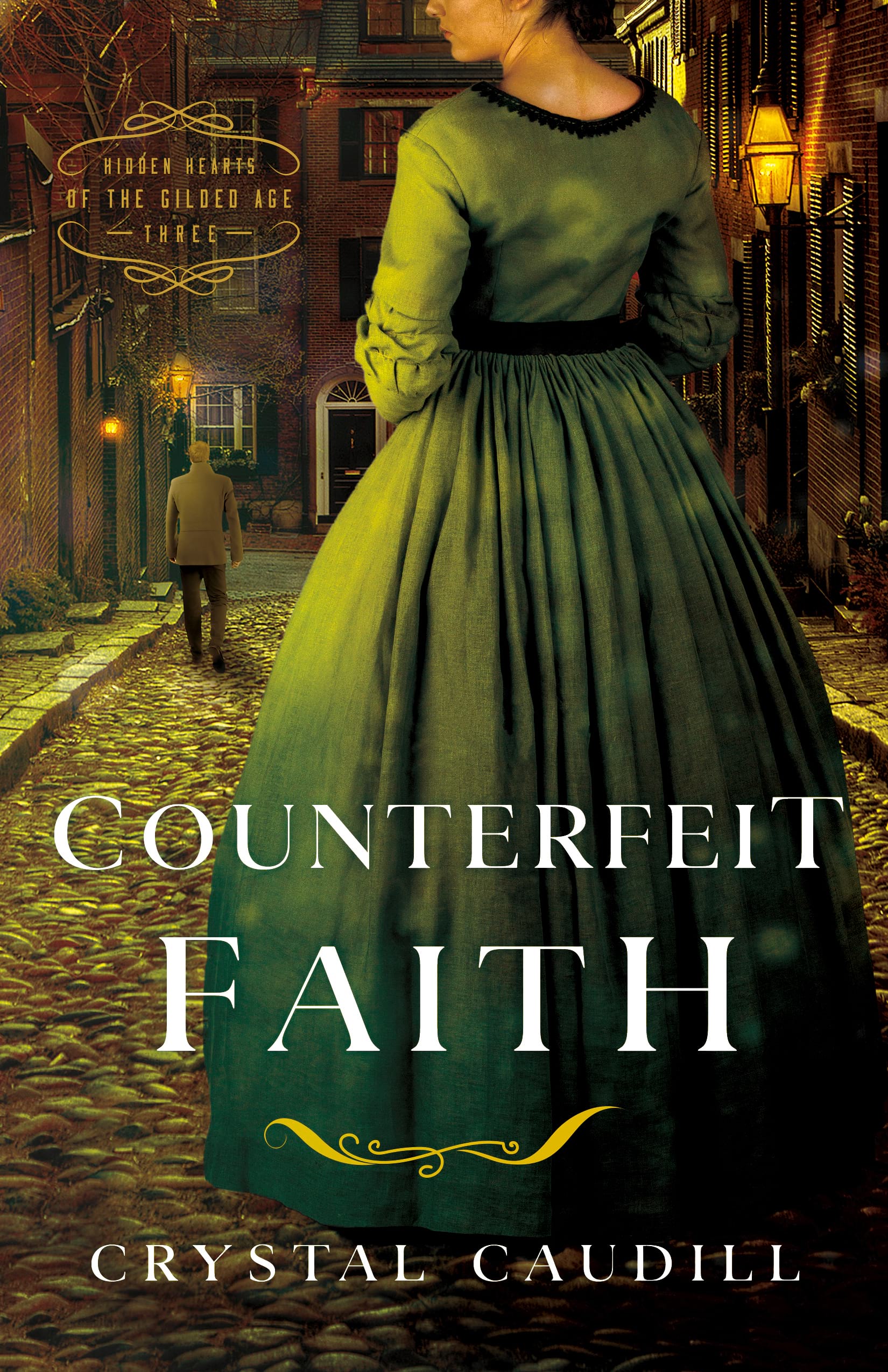
Check out the Hidden Hearts of the Gilded Age Series
Can these four Secret Service Operatives catch the counterfeiters … without losing their hearts?
A Gilded Age Secret Service historical romance series, with mystery and suspense
Resources
While I’m not going to list all the resources I used in research for this story, I will leave you with a few of my favorites in case you want to research further.
Books
Illegal Tender by David R Johnson* (My personal favorite. It gives you a look at counterfeiters AND the Secret Service.)
The United States Secret Service by Walter S. Bowen and Harry Edward Neal
Freedom’s Detective: The Secret Service, the Ku Klux Klan, and the Man Who Masterminded America’s First War on Terror by Charles Lane
True Detective Stories by Andrew L. Drummond (Digital)
Digital Resources

ABOUT CRYSTAL CAUDILL
Crystal Caudill is the author of “dangerously good historical romance.” Her debut novel, Counterfeit Love, was a 2023 Carol Award finalist, and her novella, “Star of Wonder,” won the 2024 Christy Award for short form. She loves history, hot tea, all things bookish, and the Teenage Mutant Ninja Turtles. She is a stay-at-home mom, caregiver, and chaos organizer. When she isn’t writing, Crystal can be found hanging with her family and playing board games at her home outside Cincinnati, Ohio. Find out more at crystalcaudill.com.
Connect with the author:
Website | Newsletter | Facebook | Facebook Group | Instagram | Pinterest | Amazon | BookBub | GoodReads
A Question for You:

0 Comments