
A Brief History of the Secret Service
“The detection of crime, when entered upon with an honest purpose to discover the haunts of criminals and protect society from their depredations by bringing them to justice, is held to be an honorable calling and worthy of commendation of all good men.”
– Hiram C. Whitley, Chief of the Secret Service, May 1869 – September 1874
Welcome to my series of blog posts revisiting my research on the Secret Service for my Hidden Hearts of the Gilded Age series. For the next few months, I’ll be posting about their history. At the end of each post, I’ll include my resources and links to the other posts. As each post goes live, the links will be updated.
Part 3: The Challenges They Faced
INTERNAL CHALLENGES:
The Secret Service was a federal organization, meaning its jurisdiction spread across the entire country. However, between 1875 and 1910, the division never employed more than 47 men, and the average was only 25. Between 1878 and 1893, when my stories takes place, the average number of servicemen was well below that.
In addition to being stretched thin, Secret Service operatives were subordinate to policing institutions. They did not have the authority to search for evidence or even arrest criminals without the cooperation of the local police authorities.
These two major issues, along with insufficient funds, could have crippled lesser men, but Secret Service Operatives were resourceful, determined, and loyal to their country.
EXTERNAL CHALLENGES
Counterfeiting was no accidental crime. It was committed purposefully, requiring skill, equipment, and a network of like-minded criminals. Like all criminals, counterfeiters did not want to be caught and did whatever they could to protect their criminal network. It wasn’t uncommon for them to grease the wheels of corrupt police officers, making it difficult as a Secret Service operative to determine who could be trusted.
Counterfeiters had fully developed criminal subcultures that were difficult to break into, and anyone could be a counterfeiter, from the lowly street peddler all the way up to the upper crusts of society. No income level was exempt from potential involvement. Even a sweet old grandma down the street could be the ring leader. Networks could stretch the width of the United States and relied on a decentralized underworld structure that transcended community boundaries.
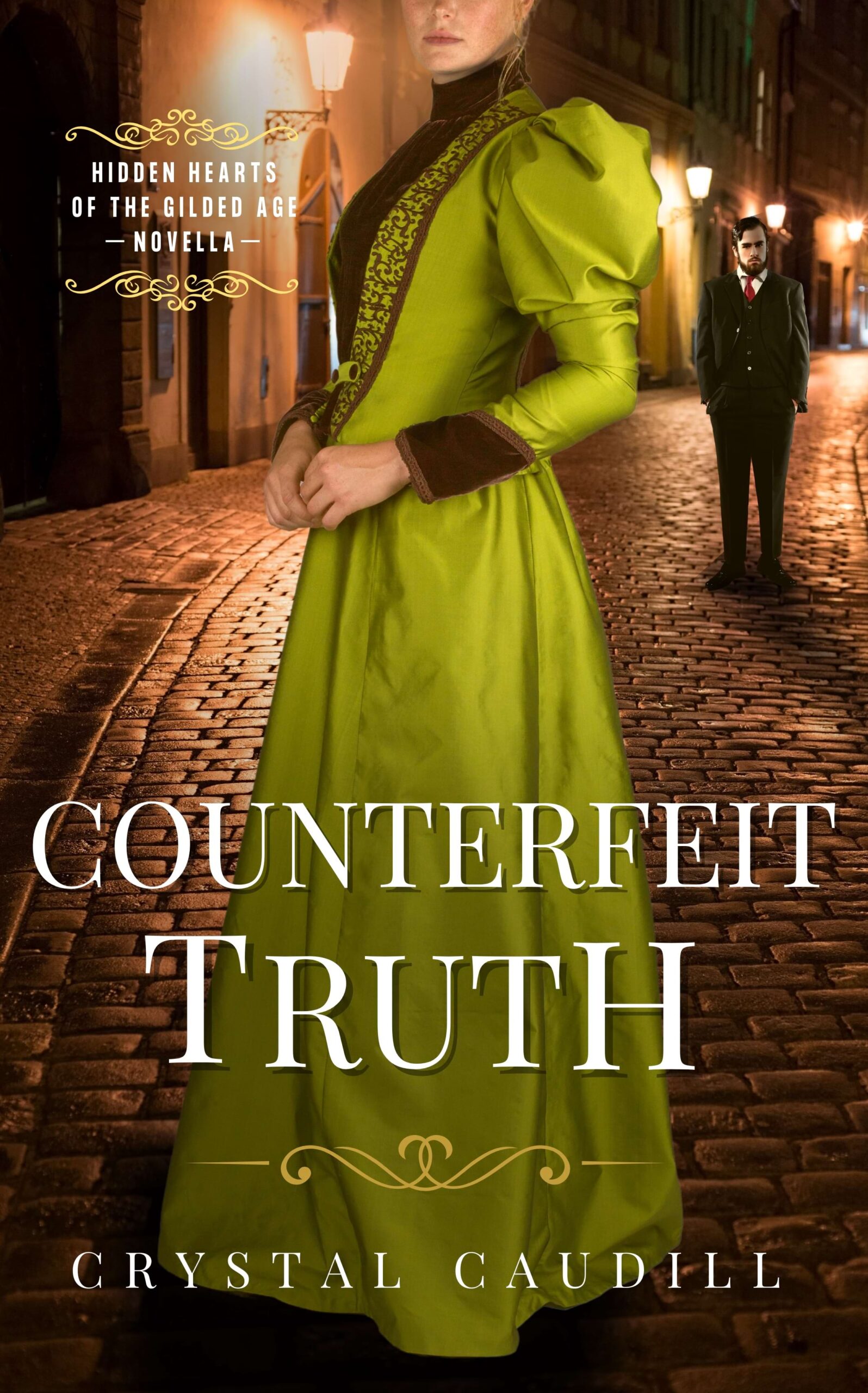
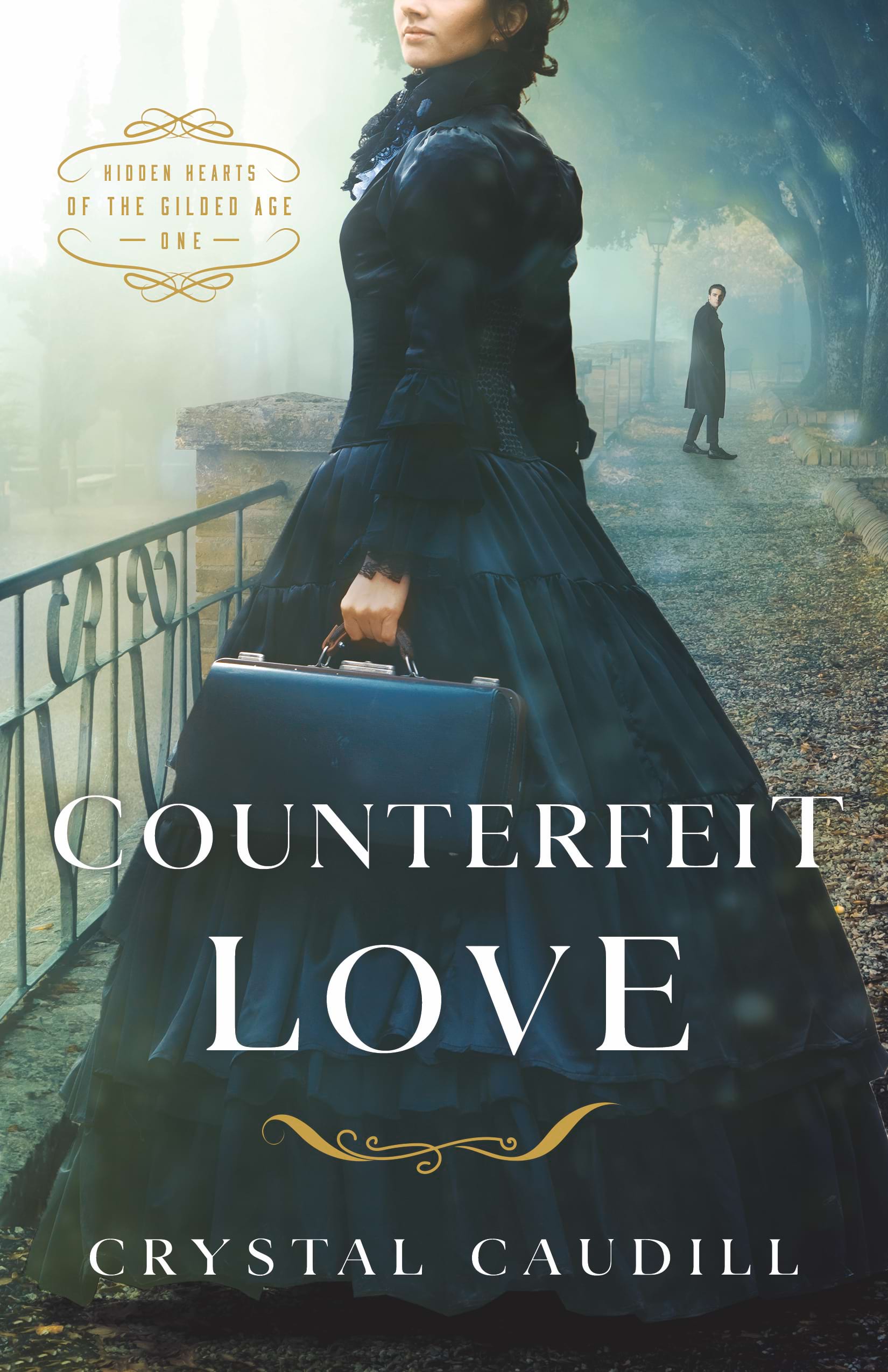
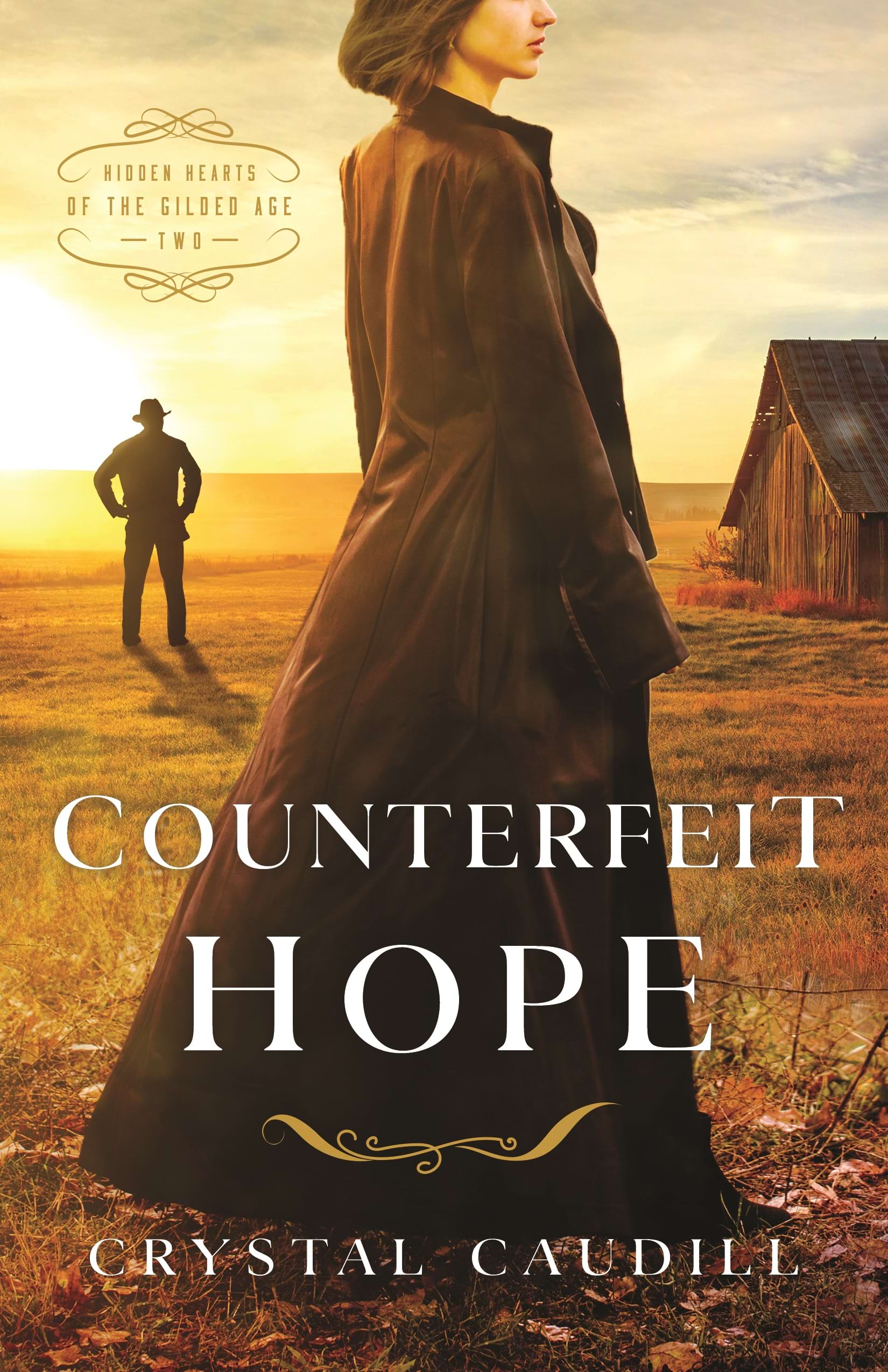
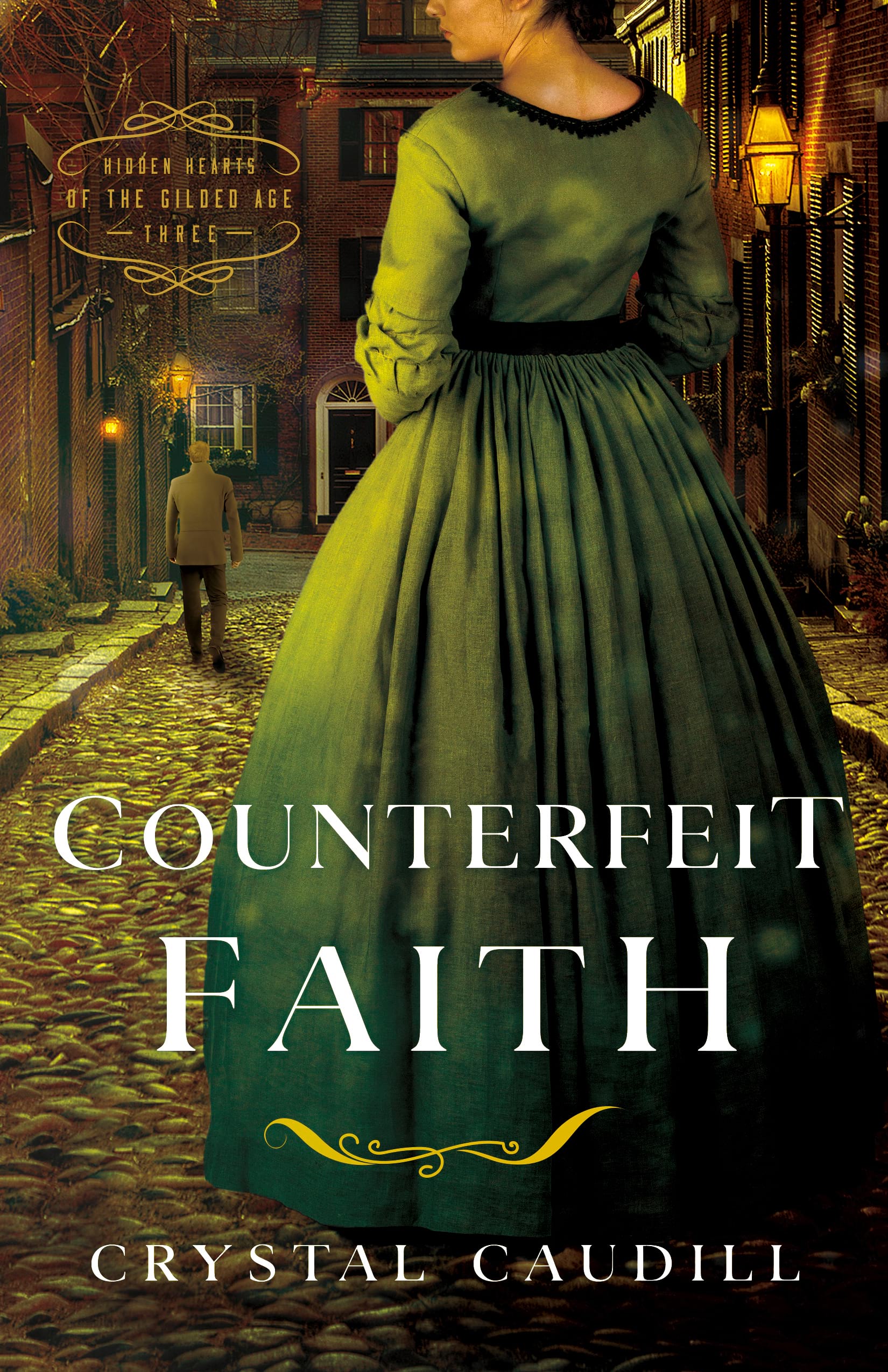
Check out the Hidden Hearts of the Gilded Age Series
Can these four Secret Service Operatives catch the counterfeiters … without losing their hearts?
A Gilded Age Secret Service historical romance series, with mystery and suspense
Resources
While I’m not going to list all the resources I used in research for this story, I will leave you with a few of my favorites in case you want to research further.
Books
Illegal Tender by David R Johnson* (My personal favorite. It gives you a look at counterfeiters AND the Secret Service.)
The United States Secret Service by Walter S. Bowen and Harry Edward Neal
Freedom’s Detective: The Secret Service, the Ku Klux Klan, and the Man Who Masterminded America’s First War on Terror by Charles Lane
True Detective Stories by Andrew L. Drummond (Digital)
Digital Resources

ABOUT CRYSTAL CAUDILL
Crystal Caudill is the author of “dangerously good historical romance.” Her debut novel, Counterfeit Love, was a 2023 Carol Award finalist, and her novella, “Star of Wonder,” won the 2024 Christy Award for short form. She loves history, hot tea, all things bookish, and the Teenage Mutant Ninja Turtles. She is a stay-at-home mom, caregiver, and chaos organizer. When she isn’t writing, Crystal can be found hanging with her family and playing board games at her home outside Cincinnati, Ohio. Find out more at crystalcaudill.com.
Connect with the author:
Website | Newsletter | Facebook | Facebook Group | Instagram | Pinterest | Amazon | BookBub | GoodReads
A Question for You:

0 Comments