

A Brief History of the Secret Service: Part 9 – Fun Facts
A Brief History of the Secret Service
“The detection of crime, when entered upon with an honest purpose to discover the haunts of criminals and protect society from their depredations by bringing them to justice, is held to be an honorable calling and worthy of commendation of all good men.”
– Hiram C. Whitley, Chief of the Secret Service, May 1869 – September 1874
Welcome to my series of blog posts revisiting my research on the Secret Service for my Hidden Hearts of the Gilded Age series. For the next few months, I’ll be posting about their history. At the end of each post, I’ll include my resources and links to the other posts. As each post goes live, the links will be updated.
Part 9: Fun Facts
- D.C. was the Secret Service’s bureaucratic headquarters, and the chief lived there.
- Between 1875 and 1910, the division never employed more than 47 men, and the average was only 25. 1878-1893, the average number of servicemen was well below that.
- Chief operatives often had several cases under investigation at once and had testy battles with headquarters over conflicting demands for the economy and results.
- Each chief operative maintained a retinue of assistants and informers.
- Each district contained a number of states, and a single operative maintained the headquarters in a major city.
- There were field offices in 11 cities across the nation.
- Operatives were paid once a month on a daily scale: an average of $7 per day.
- Each workday ranged from 12 to 16 hours.
- There were no days off, and any “vacation” time was unpaid.
- Operatives were required to itemize all their expenses, everything from travel to personal needs.
- Operatives were to maintain peak physical fitness and swear unquestioning obedience to the chief’s directives.
- In 1881, all toy money was removed from shelves, and industries that used money-like items, including coupons, were told to desist or face counterfeiting charges.
- While time-consuming, the work was not particularly dangerous (no Service employee was seriously hurt in the line of duty until the murder of an operative in 1907). However, on September 3, 1902, Operative William Craig died in Pittsfield, Massachusetts, in a collision between a streetcar and the President’s carriage. On November 3, 1907, Operative Joseph A. Walker was murdered while conducting a land fraud investigation near Durango, Colorado.
- The number of operatives in the Secret Service ranged from fifteen men (in 1865) to a high of thirty-five men (in 1898). For a large portion of that time, the number of operatives was well below thirty.
- The badge below was issued in 1875 and was the first to feature the “Service Star” – the official emblem still used today.
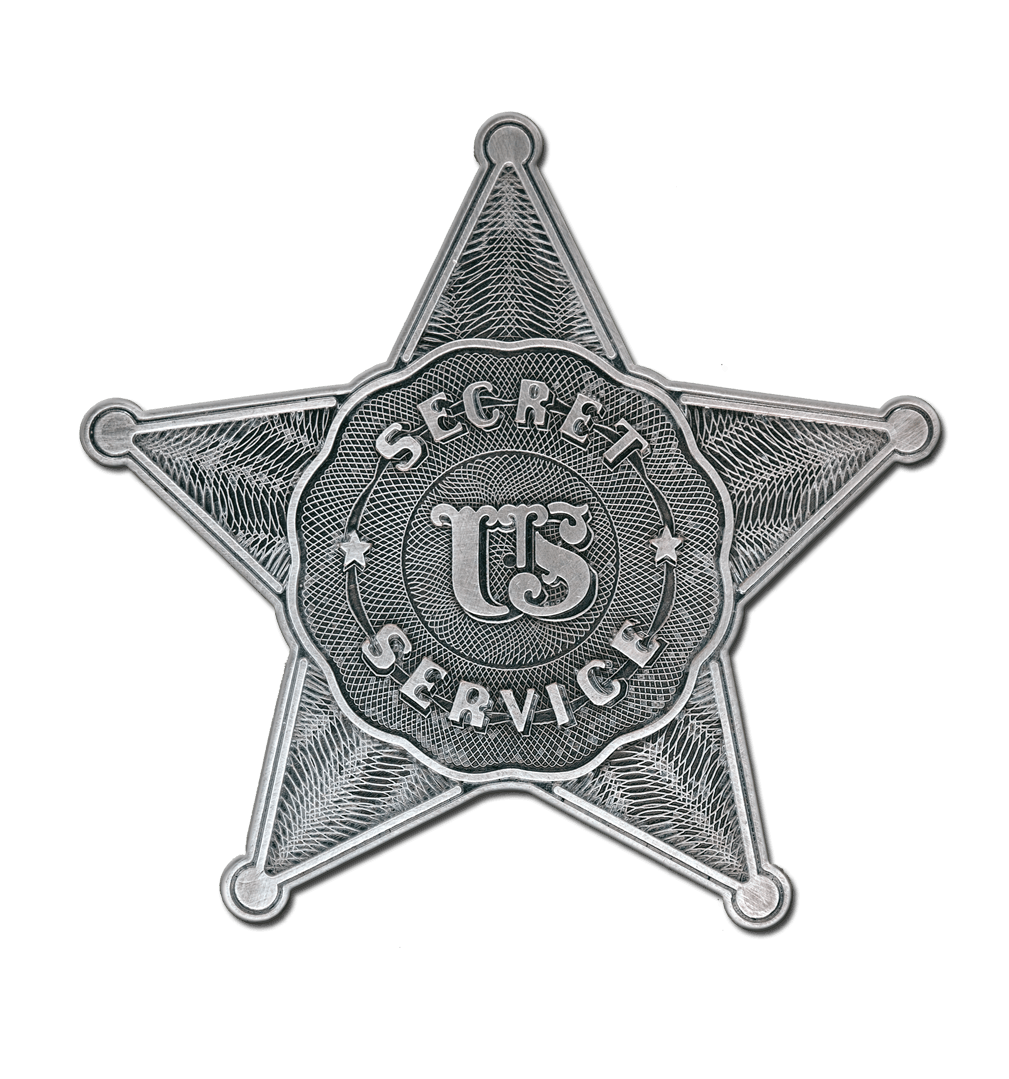
- The star’s five points each represent one of the agency’s five core values: justice, duty, courage, honesty, and loyalty.
- Secret Service operatives not only located and shut down counterfeiters, but they also investigated nonconforming distillers, smugglers, mail robbers, land frauds, and other infractions against the Federal government.
- Secret Service operatives were not initially allowed to arrest criminals. Therefore, they had to work in conjunction with local police.
- U.S. Marshals once earned extra income through the reward money granted for the capture of counterfeiters. When the Secret Service took over that duty, tension developed between the two agencies. Eventually, this faded, but in those early days, working together was not always done amicably.
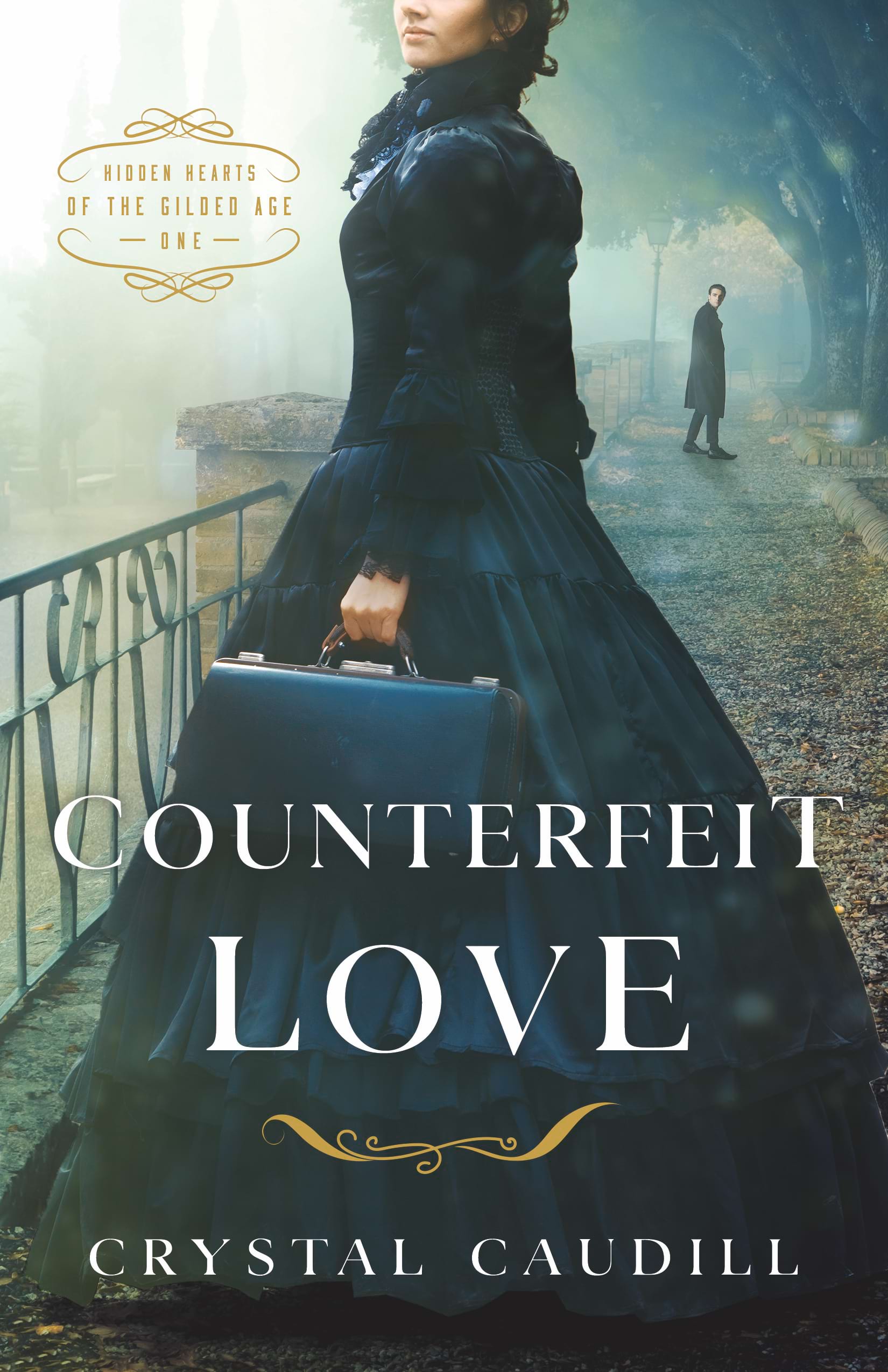
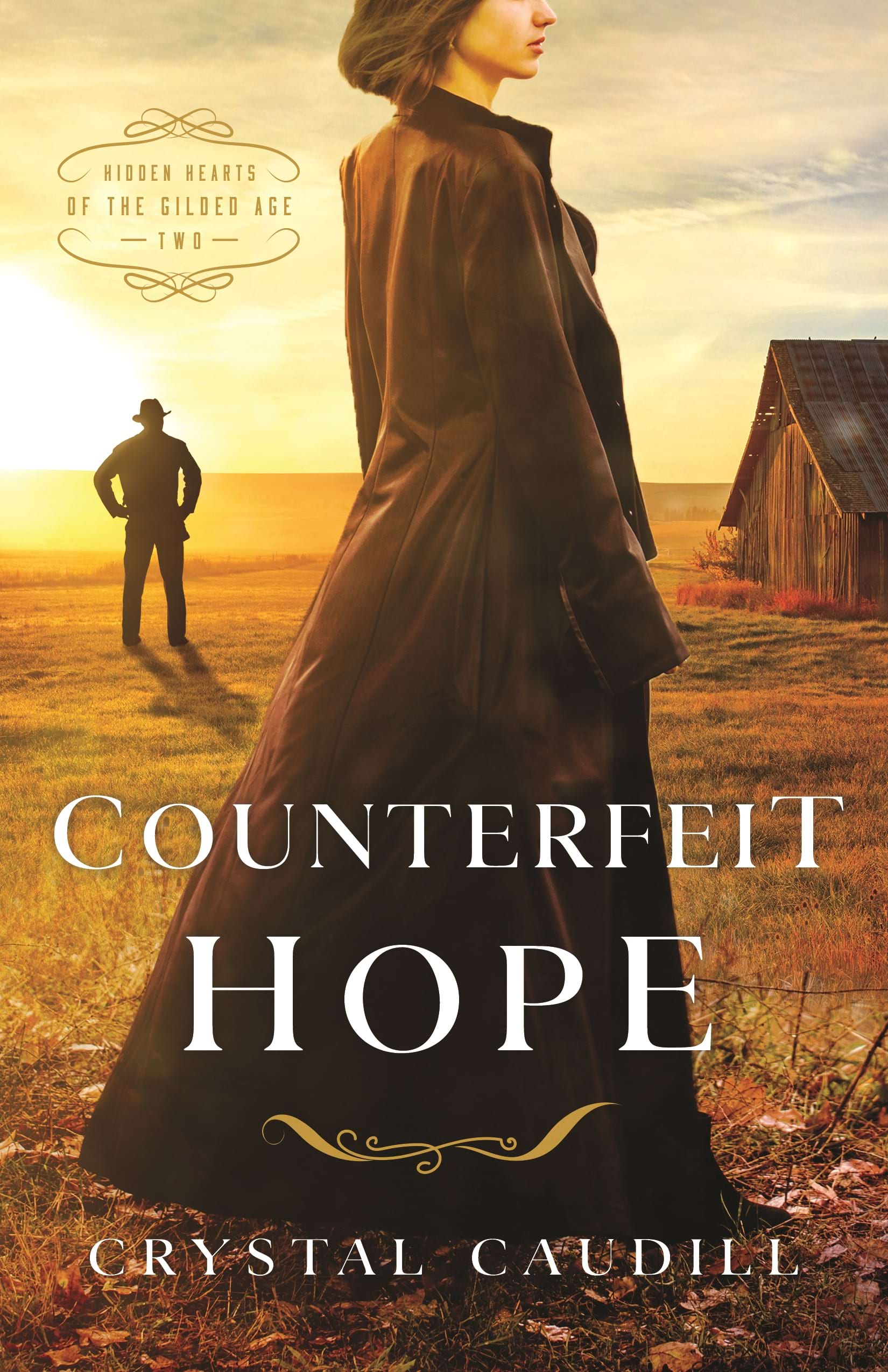
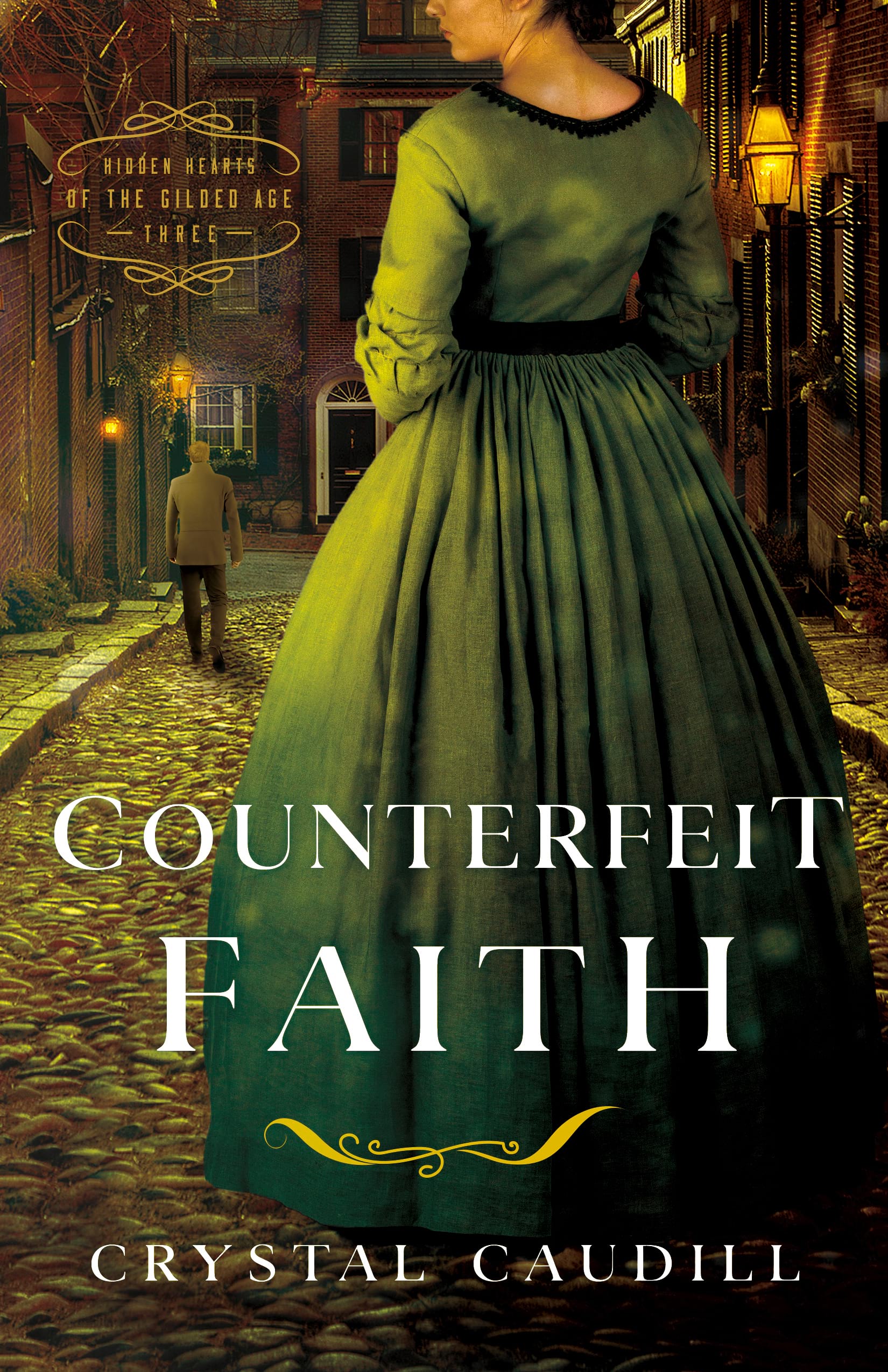
Check out the Hidden Hearts of the Gilded Age Series
Can these four Secret Service Operatives catch the counterfeiters … without losing their hearts?
A Gilded Age Secret Service historical romance series, with mystery and suspense
Resources
While I’m not going to list all the resources I used in research for this story, I will leave you with a few of my favorites in case you want to research further.
Books
Illegal Tender by David R Johnson* (My personal favorite. It gives you a look at counterfeiters AND the Secret Service.)
The United States Secret Service by Walter S. Bowen and Harry Edward Neal
Freedom’s Detective: The Secret Service, the Ku Klux Klan, and the Man Who Masterminded America’s First War on Terror by Charles Lane
True Detective Stories by Andrew L. Drummond (Digital)
Digital Resources

ABOUT CRYSTAL CAUDILL
Crystal Caudill is the author of “dangerously good historical romance.” Her debut novel, Counterfeit Love, was a 2023 Carol Award finalist, and her novella, “Star of Wonder,” won the 2024 Christy Award for short form. She loves history, hot tea, all things bookish, and the Teenage Mutant Ninja Turtles. She is a stay-at-home mom, caregiver, and chaos organizer. When she isn’t writing, Crystal can be found hanging with her family and playing board games at her home outside Cincinnati, Ohio. Find out more at crystalcaudill.com.
Connect with the author:
Website | Newsletter | Facebook | Facebook Group | Instagram | Pinterest | Amazon | BookBub | GoodReads
A Question for You: