
A Brief History of the Secret Service
“The detection of crime, when entered upon with an honest purpose to discover the haunts of criminals and protect society from their depredations by bringing them to justice, is held to be an honorable calling and worthy of commendation of all good men.”
– Hiram C. Whitley, Chief of the Secret Service, May 1869 – September 1874
Welcome to my series of blog posts revisiting my research on the Secret Service for my Hidden Hearts of the Gilded Age series. For the next few months, I’ll be posting about their history. At the end of each post, I’ll include my resources and links to the other posts. As each post goes live, the links will be updated.
Part 1: The Early Days
While many people today think of the Secret Service as primarily protecting the President, that duty did not actually become a part of their repertoire until 1894. Until 1902* it was conducted only informally and part-time, and even then, only two operatives were assigned full-time to the White House. So what did they do from their creation in 1865 until 1902, and beyond?
*Taken from the Secret Service’s website, as there are conflicting dates.
Counterfeiters Beware
It is estimated that one-third of the circulating U.S. currency was counterfeit during the Civil War. Until 1863, there was no national currency. Each state and bank had its own banknote design, making it an easy world for counterfeiters to thrive. Public confidence in a nation’s currency is critical to the health of the country’s economy, and the United States was in serious trouble. Even after the installation of a national currency in 1863, counterfeiters thrived. Only local police and occasional investigations by the War Department hampered counterfeiters.
On April 14th, 1865, Secretary of the Treasury Hugh McCullough brought attention to the growing trouble of counterfeiting and insisted that a permanent, continuous, aggressive, organized effort was needed to thwart this menace to the economy. Abraham Lincoln agreed and authorized him to move forward. That same night, Abraham Lincoln was shot by John Wilkes Booth. Despite the turmoil in the government that followed, on July 5, 1865, William P. Wood was sworn in as the first Chief of the U.S. Secret Service.
About 30 men made up this first group of Secret Service operatives. Headquarters were set up in Washington, and 11 field offices were established in cities throughout the country. A guide list of six “general orders” was issued*:
- Each man must recognize that his service belongs to the government through 24 hours of every day.
- All must agree to assignment to the locations chosen by the Chief and respond to whatever mobility of movement the work might require.
- All must exercise such careful saving of money spent for travel, subsistence, and payments for information as can be self-evidently justified.
- Continuing employment in the Service will depend upon demonstrated fitness, ability as investigators, and honesty and fidelity in all transactions.
- The title of regular employees will be Operative, Secret Service. Temporary employees will be Assistant Operatives or Informants.
- All employment will be at a daily pay rate; accounts submitted monthly. Each operative will be expected to keep on hand enough personal reserve funds to carry on Service business between paydays.
*Taken from The United States Secret Service by Warren S. Bowen and Harry Edward Neal.
Credentials were handwritten letters of appointment until an incident in 1871 forced them to reconsider an alternative. Ira W. Raymond waltzed into a field office posing as an operative and demanded all contraband be turned over to him. The operative on duty felt it odd that he wasn’t notified, and he telegrammed headquarters. Raymond was arrested, but this prompted Chief Whitley (the second Chief) to design and issue distinctive badges and printed credentials to all members of the Secret Service.
These badges were five-pointed, silver stars with lacework engraved into each point. “U.S. Secret Service” was stamped into the center of each. Operatives had $25 deducted from their paycheck for the badges, with the promise that it would be returned upon retirement when they turned in their badge. Each operative carried engraved and printed credentials called commissions from that point forward.
Unfortunately, the first two administrations of the Secret Service were fraught with scandal. As a result, a cloud hung over the division’s public image. Chief Washburn made some repairs to their reputation, but it was Chief James J. Brooks who really turned things around.
One of Chief Brooks’s first acts was to compile and issue the first formal manual of instructions for operatives. These were called “General Orders No. 4.” Under his reformation, the Secret Service was officially recognized as a division of the Treasury Department with its own budget, as limited as it was. Chief Brooks was a hard man and did not believe in vacations for his men. Any leave of absence was given without pay. But through his leadership, public opinion began to shift in a positive direction toward the Secret Service.
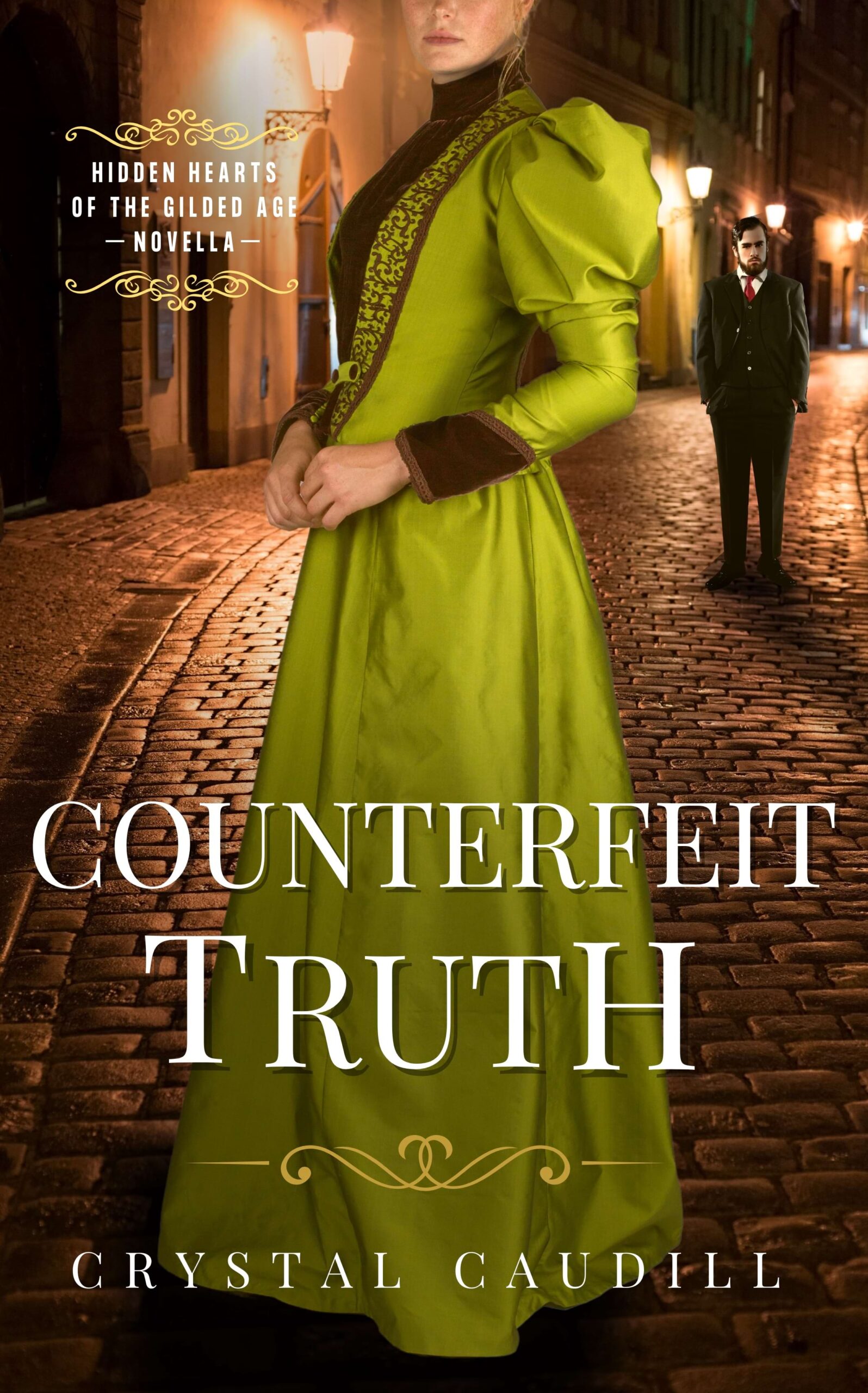
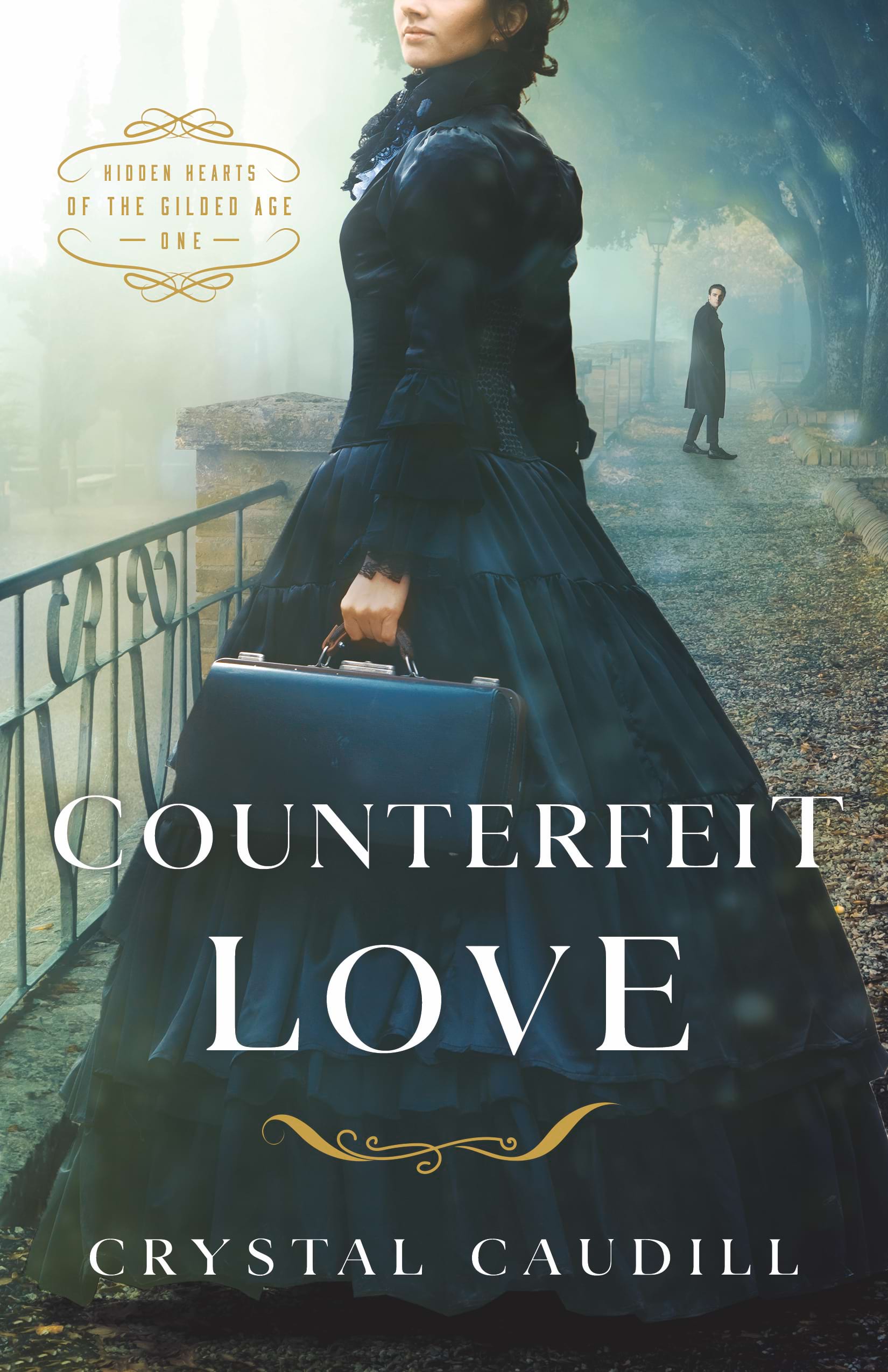
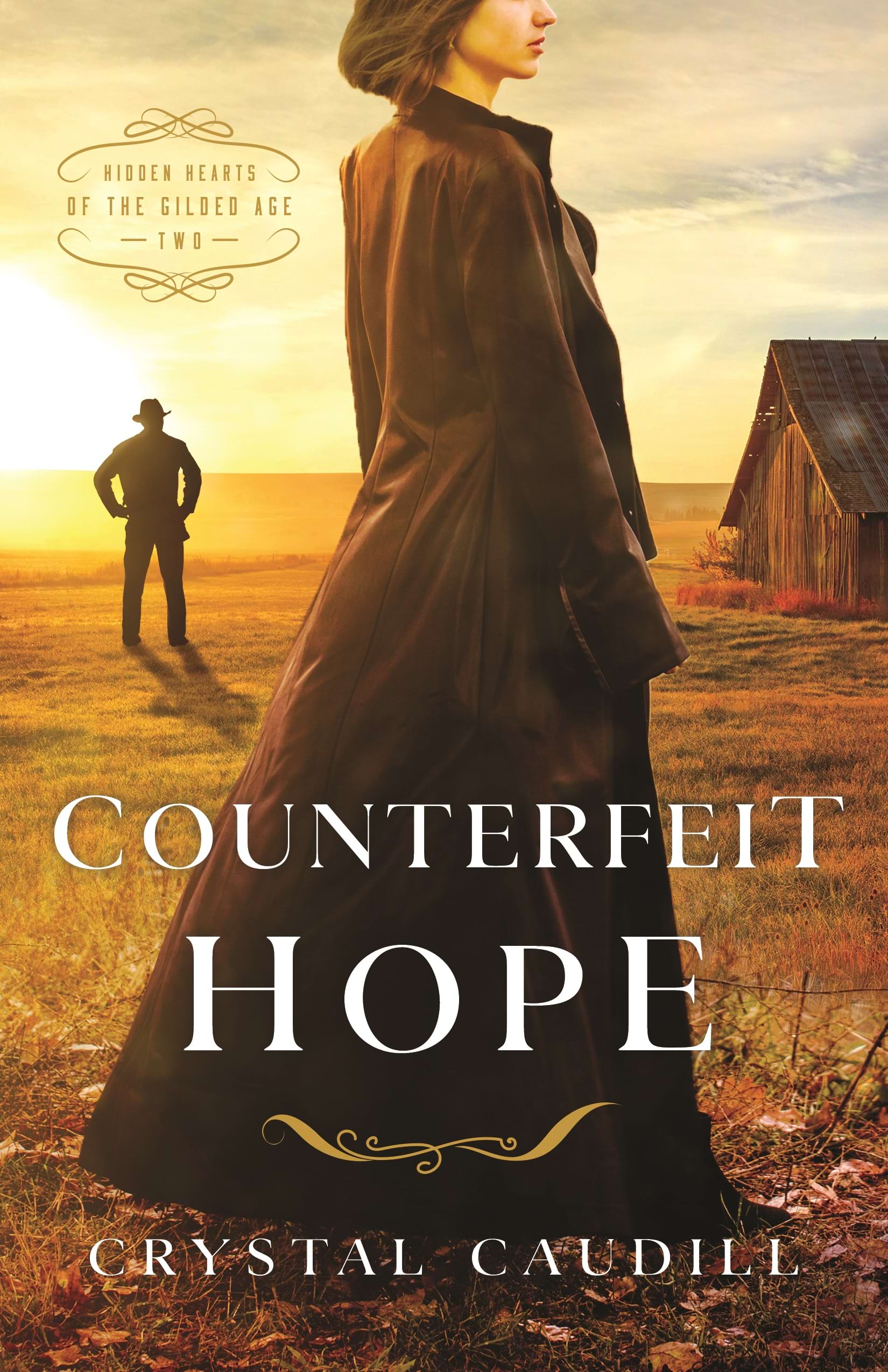
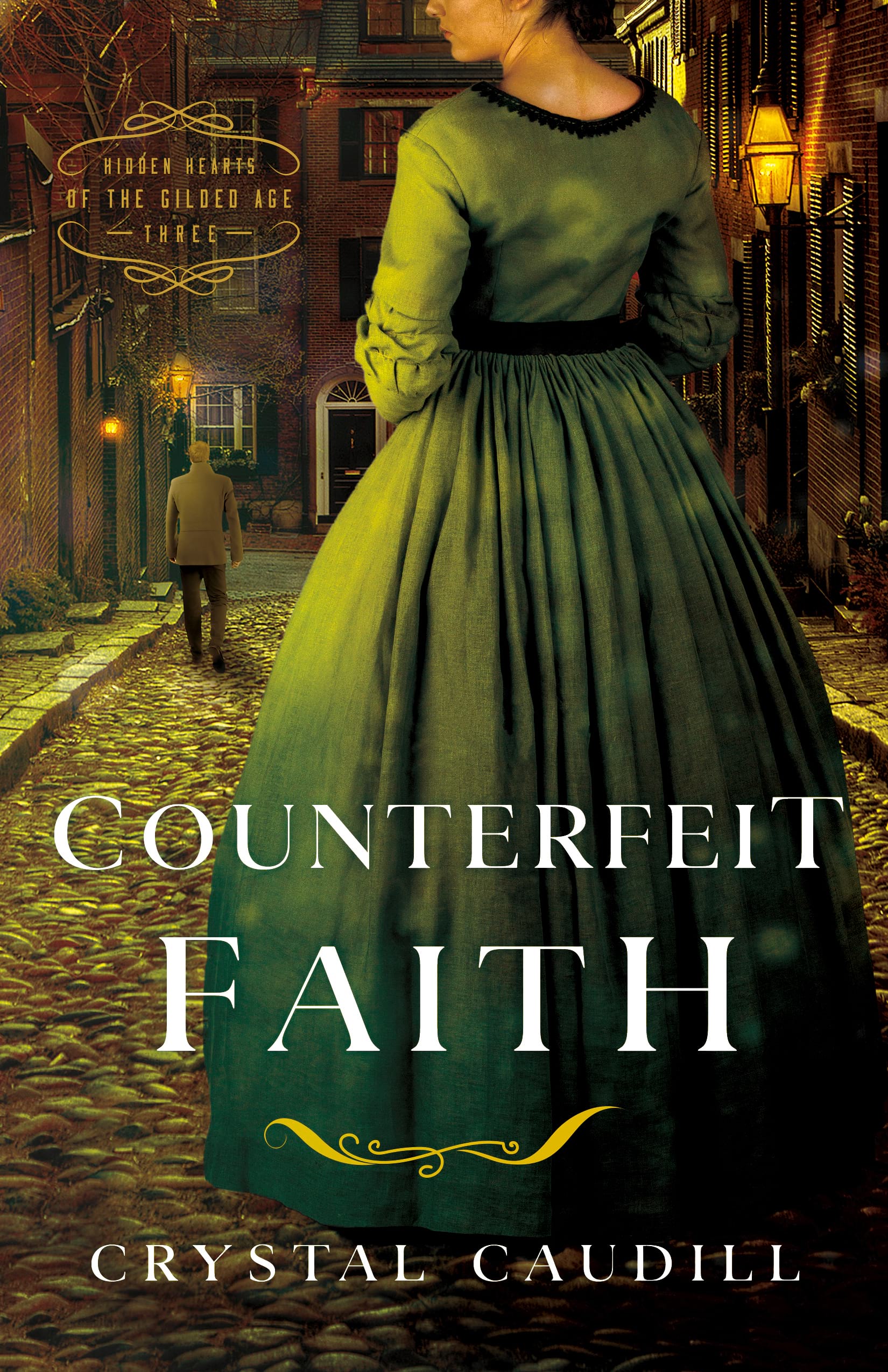
Check out the Hidden Hearts of the Gilded Age Series
Can these four Secret Service Operatives catch the counterfeiters … without losing their hearts?
A Gilded Age Secret Service historical romance series, with mystery and suspense
Resources
While I’m not going to list all the resources I used in research for this story, I will leave you with a few of my favorites in case you want to research further.
Books
Illegal Tender by David R Johnson* (My personal favorite. It gives you a look at counterfeiters AND the Secret Service.)
The United States Secret Service by Walter S. Bowen and Harry Edward Neal
Freedom’s Detective: The Secret Service, the Ku Klux Klan, and the Man Who Masterminded America’s First War on Terror by Charles Lane
True Detective Stories by Andrew L. Drummond (Digital)
Digital Resources

ABOUT CRYSTAL CAUDILL
Crystal Caudill is the author of “dangerously good historical romance.” Her debut novel, Counterfeit Love, was a 2023 Carol Award finalist, and her novella, “Star of Wonder,” won the 2024 Christy Award for short form. She loves history, hot tea, all things bookish, and the Teenage Mutant Ninja Turtles. She is a stay-at-home mom, caregiver, and chaos organizer. When she isn’t writing, Crystal can be found hanging with her family and playing board games at her home outside Cincinnati, Ohio. Find out more at crystalcaudill.com.
Connect with the author:
Website | Newsletter | Facebook | Facebook Group | Instagram | Pinterest | Amazon | BookBub | GoodReads
A Question for You:

#6 is the most interesting fact I learned – keeping enough funds on hand to carry on service between pay days
Yep. I imagine getting pickpocketed could be devestating.
Can you imagine being paid once a month!? Gives a whole new perspective on living paycheck to paycheck. LOL Very interesting. I look forward to the next post!
Right. They lived a difficult life just so the country could have economic stability, and it’s people not suffer for the crimes of a few.