A Brief History of the Secret Service
“The detection of crime, when entered upon with an honest purpose to discover the haunts of criminals and protect society from their depredations by bringing them to justice, is held to be an honorable calling and worthy of commendation of all good men.”
– Hiram C. Whitley, Chief of the Secret Service, May 1869 – September 1874
Welcome to my series of blog posts revisiting my research on the Secret Service for my Hidden Hearts of the Gilded Age series. For the next few months, I’ll be posting about their history. At the end of each post, I’ll include my resources and links to the other posts. As each post goes live, the links will be updated.
Part 4: Bringing Criminals to Justice
The Secret Service adopted a long-term strategy for suppressing counterfeiting. While the country was split into 11 districts, covering multiple states and territories, the first step of this plan was to concentrate its operatives in the largest urban centers: New York City, Philadelphia, Cincinnati, and St. Louis.
There, they sought to penetrate the criminal networks by starting at the lowest level and gradually working their way upward to identify and arrest the manufacturers. Informants were crucial to their success, providing information and introductions into these secretive gangs of counterfeiters.
Good cases took weeks, even months, to develop and required enormous amounts of patience and dedication. Although not usually dangerous (the first operative to lose their life on the job was not until 1907), operatives stayed in peak condition to contend with criminals who did not wish to be caught.
Operatives were scrutinized by their superiors and were required to write extensive daily reports. Expenses were itemized, including the purchase of counterfeit notes, travel expenses, and personal expenses. In 1875, Chief Washburn demanded that field operative Andrew Drummond obtain a refund from a Philadelphia telegraph operator who had overcharged him one cent. Ever dutiful, he obtained the refund.
Not only were their expenditures itemized, but their days were also detailed from waking moment until slumber. A typical report might say: “I got up at 5:30 AM, ate my breakfast, left home at 7 AM, arrived at the office at 8 AM, at 8:30 I went to First National Bank…., I returned home at 10 PM and went to bed at 11 PM.”
Though they faced internal and external challenges, through the use of informants, undercover work, and both investigative and instigative techniques, the Secret Service reduced counterfeiting from the most prominent criminal activity in the pre-Civil War United States to a spattering of successful occurrences by 1900.
Fun Fact:
Long before the Miranda Rights were established in 1966, the Secret Service had its own version. It was common practice for law enforcement agencies to grant freedom to criminals who spouted information at their arrests. However, Chief of the Secret Service Elmer Washburn (1874–1876) enacted a policy for the Secret Service which required operatives to inform arrested criminals that anything they did must be done “voluntarily and without any promises whatever.” (See reports by Secret Service operatives as quoted in Illegal Tender by David R. Johnson [1995]). This policy was further emphasized by Chief James Brooks (1876–1888) in 1879. Operatives were instructed to warn suspects of their rights. Everything a suspect said would be documented and used against them in court, and they did not have to answer any questions until they had consulted a lawyer. Nearly ninety years before the rest of law enforcement agencies required it, Secret Service operatives were reading suspects their rights.
Resources
While I’m not going to list all the resources I used in research for this story, I will leave you with a few of my favorites in case you want to research further.
Books
Illegal Tender by David R Johnson* (My personal favorite. It gives you a look at counterfeiters AND the Secret Service.)
The United States Secret Service by Walter S. Bowen and Harry Edward Neal
Freedom’s Detective: The Secret Service, the Ku Klux Klan, and the Man Who Masterminded America’s First War on Terror by Charles Lane
True Detective Stories by Andrew L. Drummond (Digital)
Digital Resources
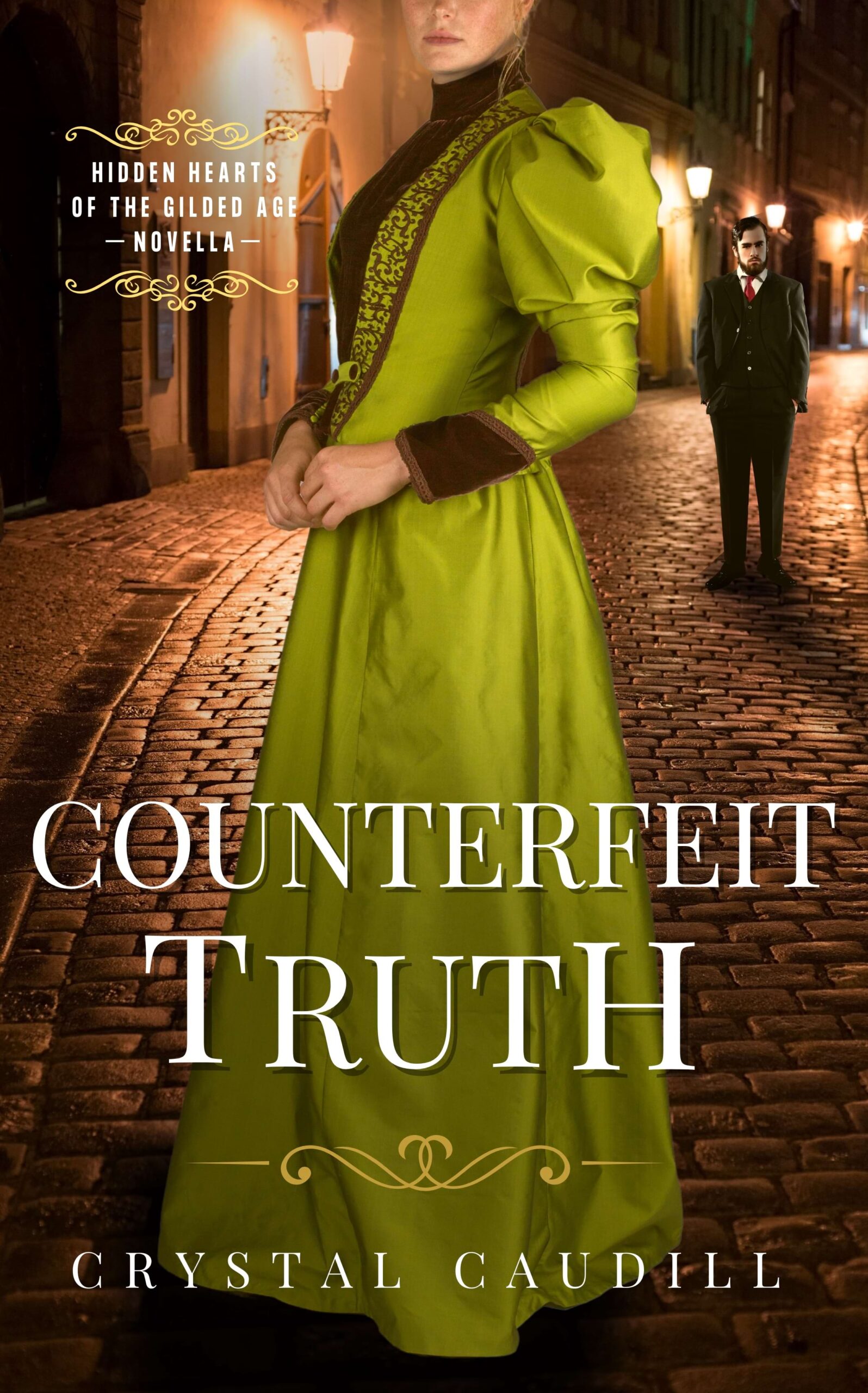
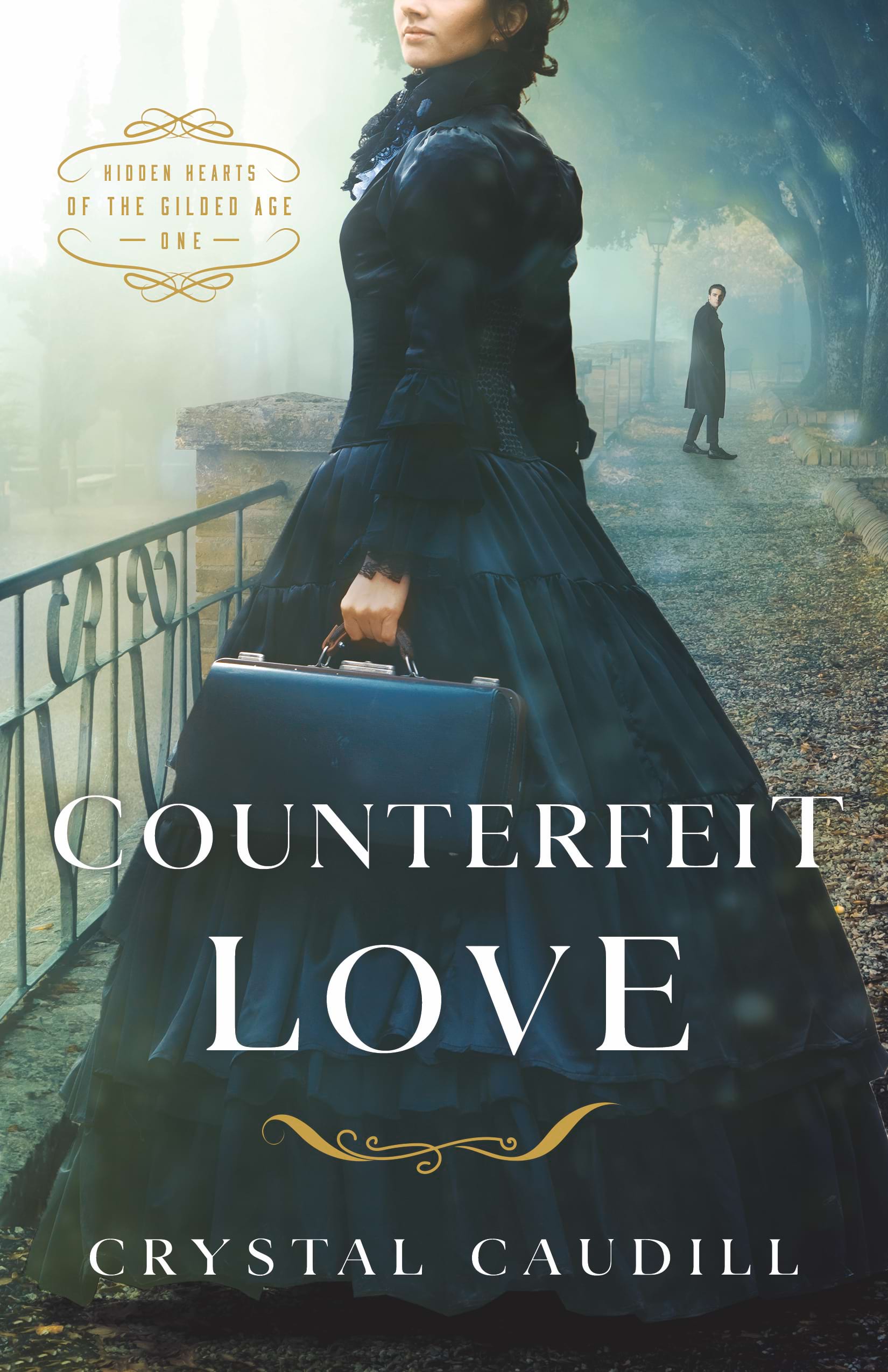
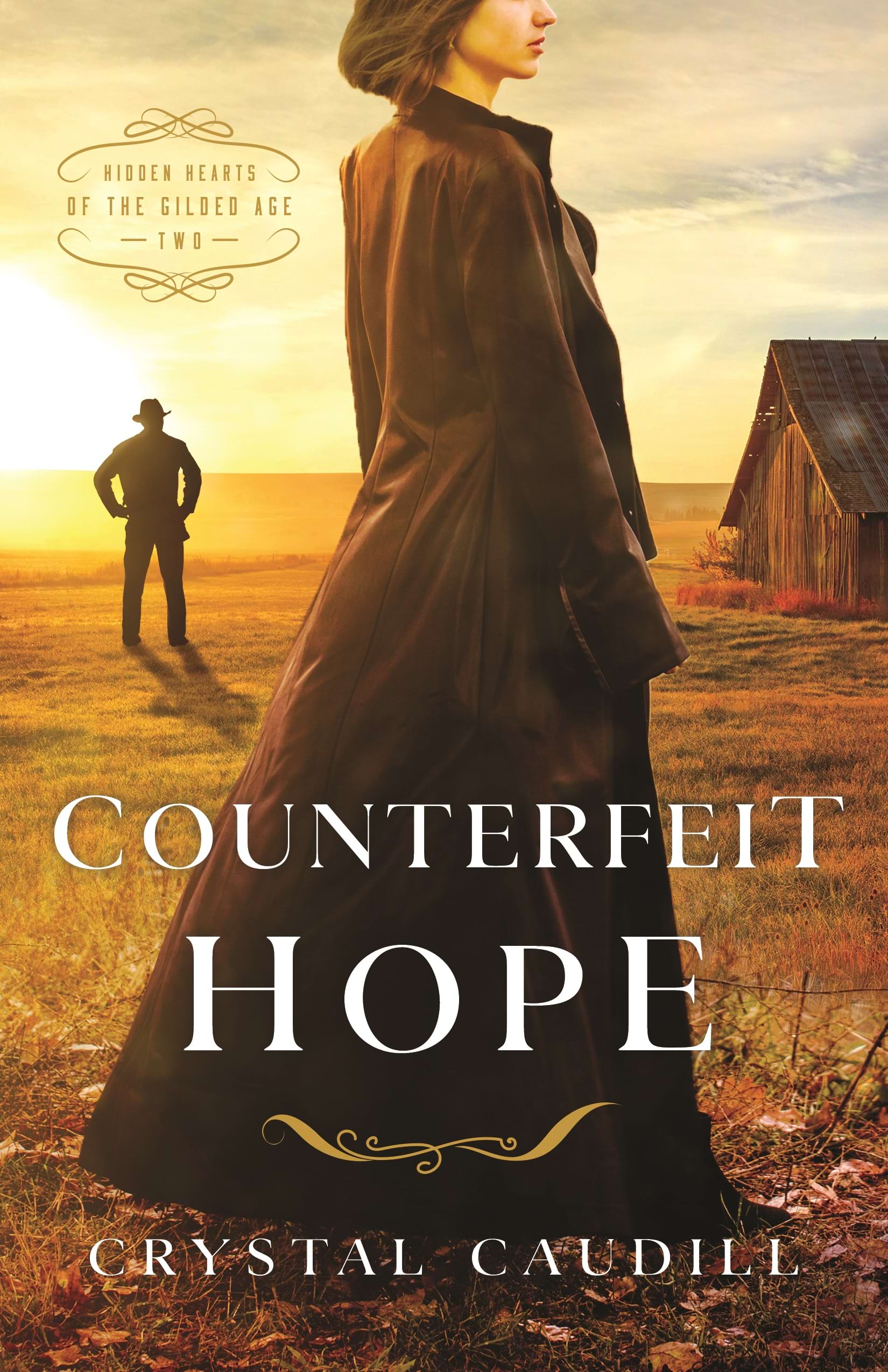
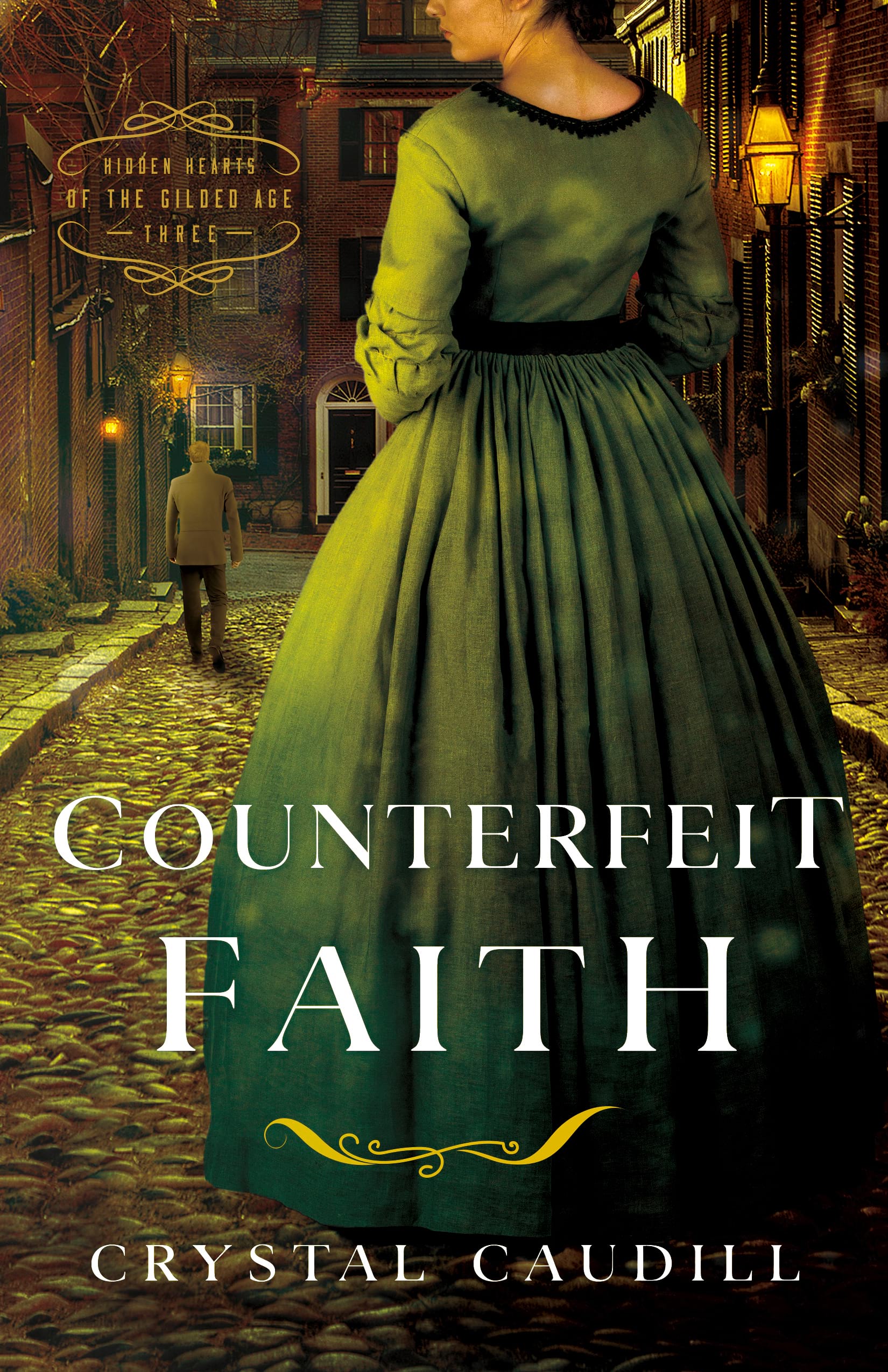
Check out the Hidden Hearts of the Gilded Age Series
Can these four Secret Service Operatives catch the counterfeiters … without losing their hearts?
A Gilded Age Secret Service historical romance series, with mystery and suspense

ABOUT CRYSTAL CAUDILL
Crystal Caudill is the author of “dangerously good historical romance.” Her debut novel, Counterfeit Love, was a 2023 Carol Award finalist, and her novella, “Star of Wonder,” won the 2024 Christy Award for short form. She loves history, hot tea, all things bookish, and the Teenage Mutant Ninja Turtles. She is a stay-at-home mom, caregiver, and chaos organizer. When she isn’t writing, Crystal can be found hanging with her family and playing board games at her home outside Cincinnati, Ohio. Find out more at crystalcaudill.com.
Connect with the author:
Website | Newsletter | Facebook | Facebook Group | Instagram | Pinterest | Amazon | BookBub | GoodReads
A Question for You:

My favorite fun fact shared Miranda rights were established in 1966
I love that the Secret Service was doing it LONG before anyone else.